
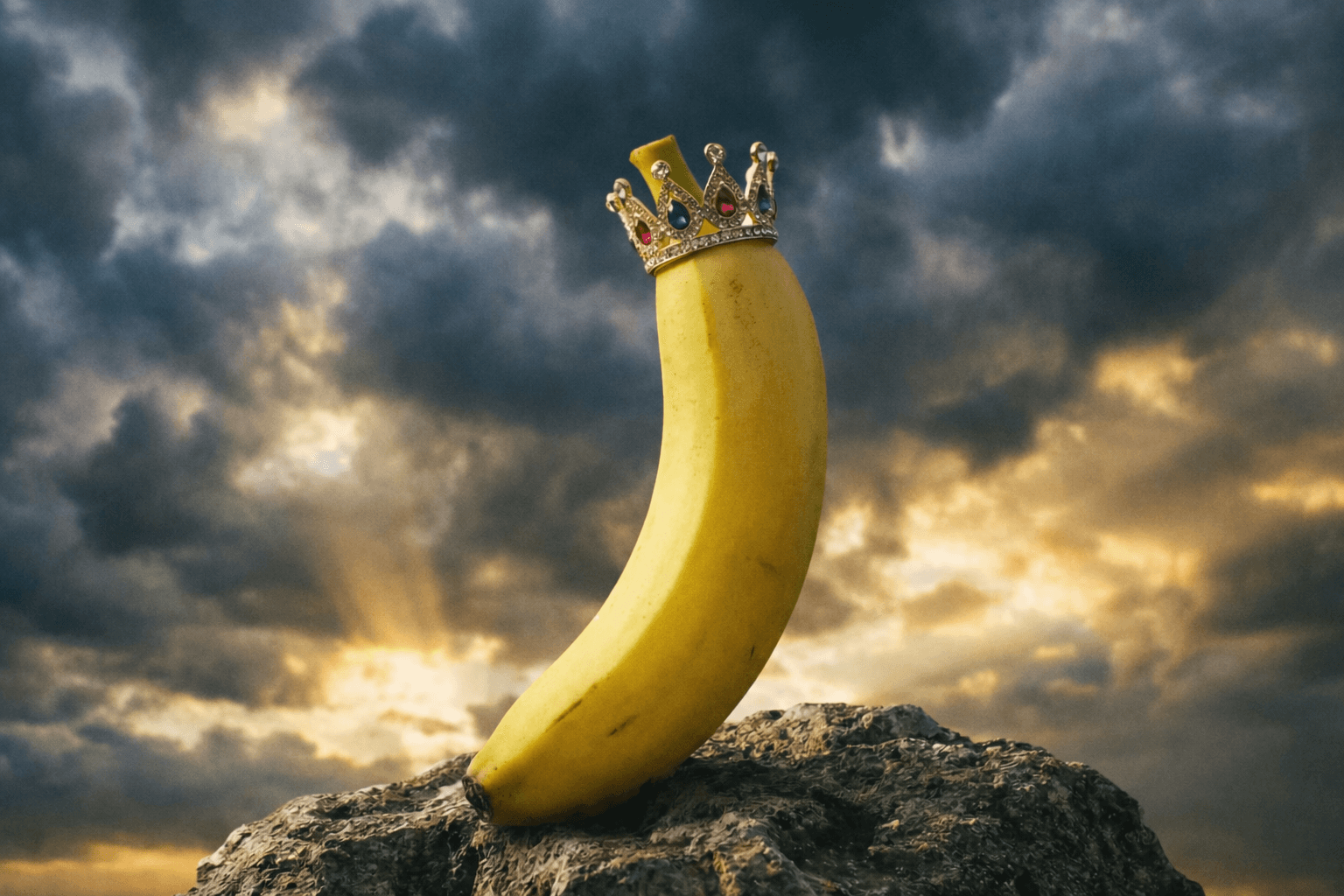

Camera angle is one of the most underused controls in AI image generation. Most people describe what they want in a scene but forget to specify how the camera sees it. That single oversight determines whether your subject looks powerful or vulnerable, intimate or distant, dynamic or static.
Nano Banana Pro understands cinematographic language. Feed it the right camera terminology, and you're not just generating an image, you're directing a shot.
This guide breaks down every camera angle that works with Nano Banana Pro, when to use each one, and how to phrase your prompts for maximum control.
Table of Contents
- Table of Contents
- Why Camera Angle Matters 🎯
- Vertical Angles: Up, Down, and Everything Between ⬆️⬇️
- Low-Angle Shot
- High-Angle Shot
- Bird's-Eye View (Top-Down)
- Worm's-Eye View
- Horizontal Angles: Front, Side, and Between ↔️
- Front-Facing (Straight-On) Shot
- Side Profile View
- Specialty Angles: Adding Drama and Narrative 🎬
- Dutch Angle (Tilted Frame / Off-Kilter)
- Over-the-Shoulder Shot (OTS)
- Point of View (POV) Shot
- Combining Angles with Distance 📏
- Extreme Close-Up + Low Angle
- Wide Shot + High Angle
- Medium Shot + Dutch Angle
- Close-Up + Straight-On
- Angle + Lighting Combinations 💡
- Low Angle + Underlighting
- Low Angle + Rim Lighting
- High Angle + Soft Top Light
- Dutch Angle + Neon Side Lighting
- Quick Reference: Angle → Emotion 📋
- Common Mistakes ⚠️
- Mistake 1: Not Specifying Any Angle
- Mistake 2: Conflicting Angle and Mood
- Mistake 3: Forgetting Distance
- Mistake 4: Over-Specifying Degrees
- Prompt Templates by Angle 📝
- Heroic/Powerful Subject
- Vulnerable/Emotional Subject
- Dynamic/Tense Scene
- Flat Lay / Organizational
- Immersive Experience
- Practice Exercises 🏋️
- Final Thought 💭
Why Camera Angle Matters 🎯
The same subject shot from different angles tells completely different stories:
- A CEO photographed from below looks commanding and authoritative
- That same CEO shot from above looks diminished, perhaps under pressure
- A straight-on shot feels neutral, like a passport photo
- A Dutch angle adds tension, like something's about to go wrong
Camera angle is psychological. Viewers don't consciously notice it, but they feel it. Master this, and your AI-generated images carry emotional weight that generic prompts can't achieve.
Vertical Angles: Up, Down, and Everything Between ⬆️⬇️
Vertical angles control the power dynamic between viewer and subject.
Low-Angle Shot
What it does: Camera looks up at the subject. Makes the subject seem powerful, large, dominant, heroic, or intimidating.
When to use it:
- Hero shots and character introductions
- Architecture that should feel imposing
- Products you want to appear premium or substantial
- Any subject that needs to command respect
Prompt examples:
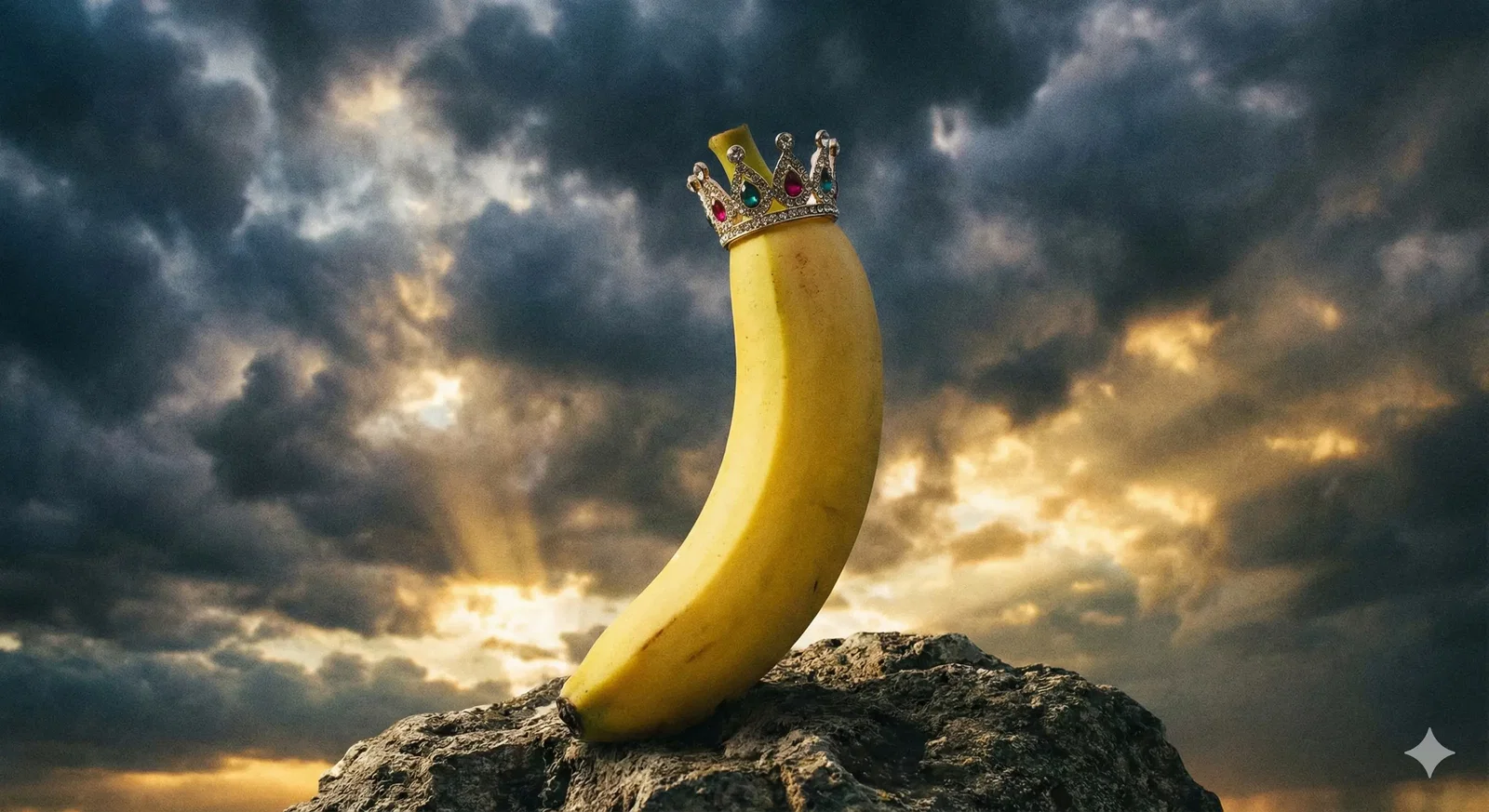
A low-angle shot of a banana wearing a tiny crown, looking regal against a dramatic sky.
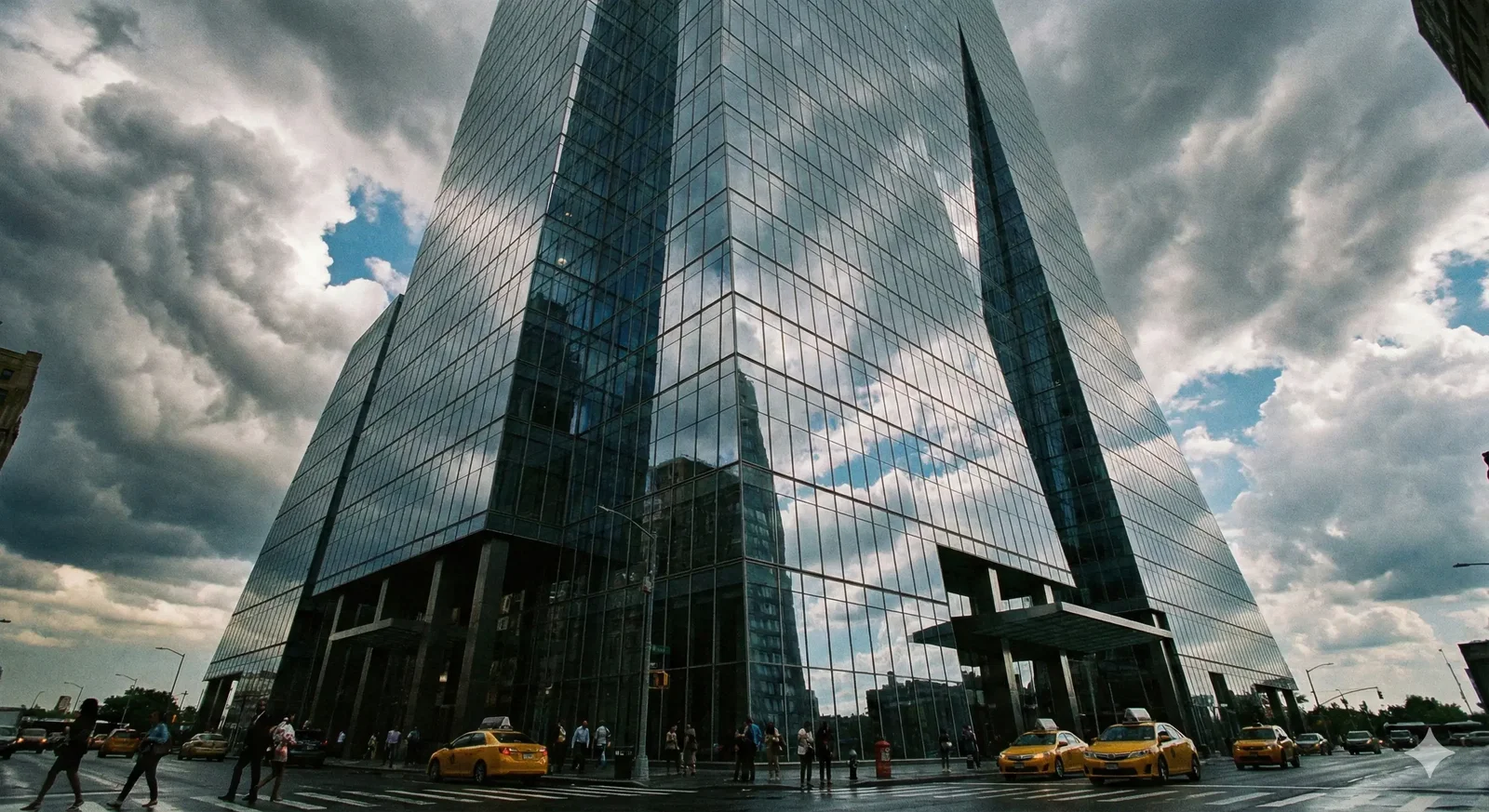
Low-angle view of a modern skyscraper, glass facade reflecting clouds, shot from street level, making the building feel monumental.
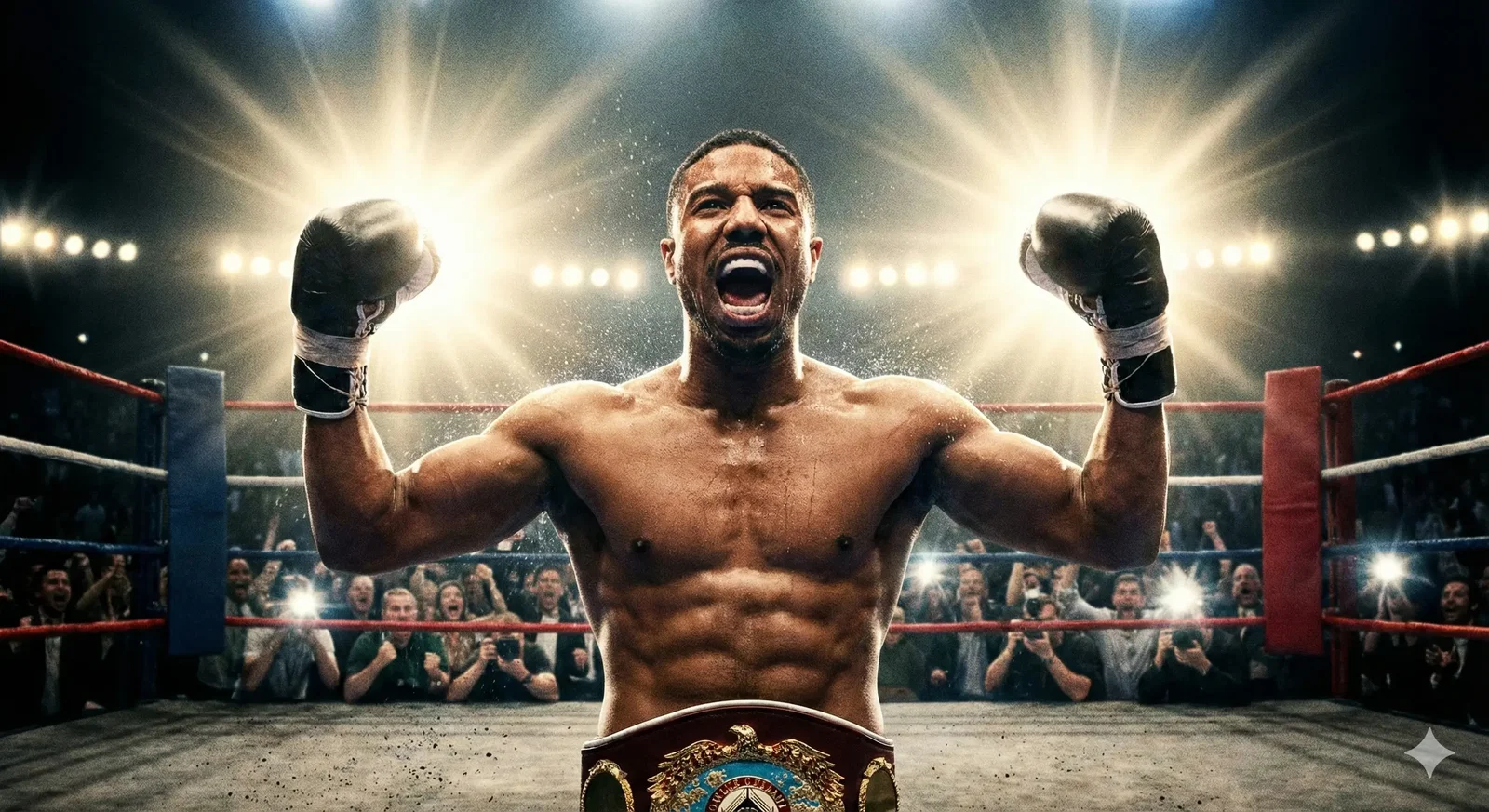
Low-angle portrait of a boxer in the ring, fists raised, stadium lights creating a halo effect, conveying dominance and victory.
Technical additions for more control:
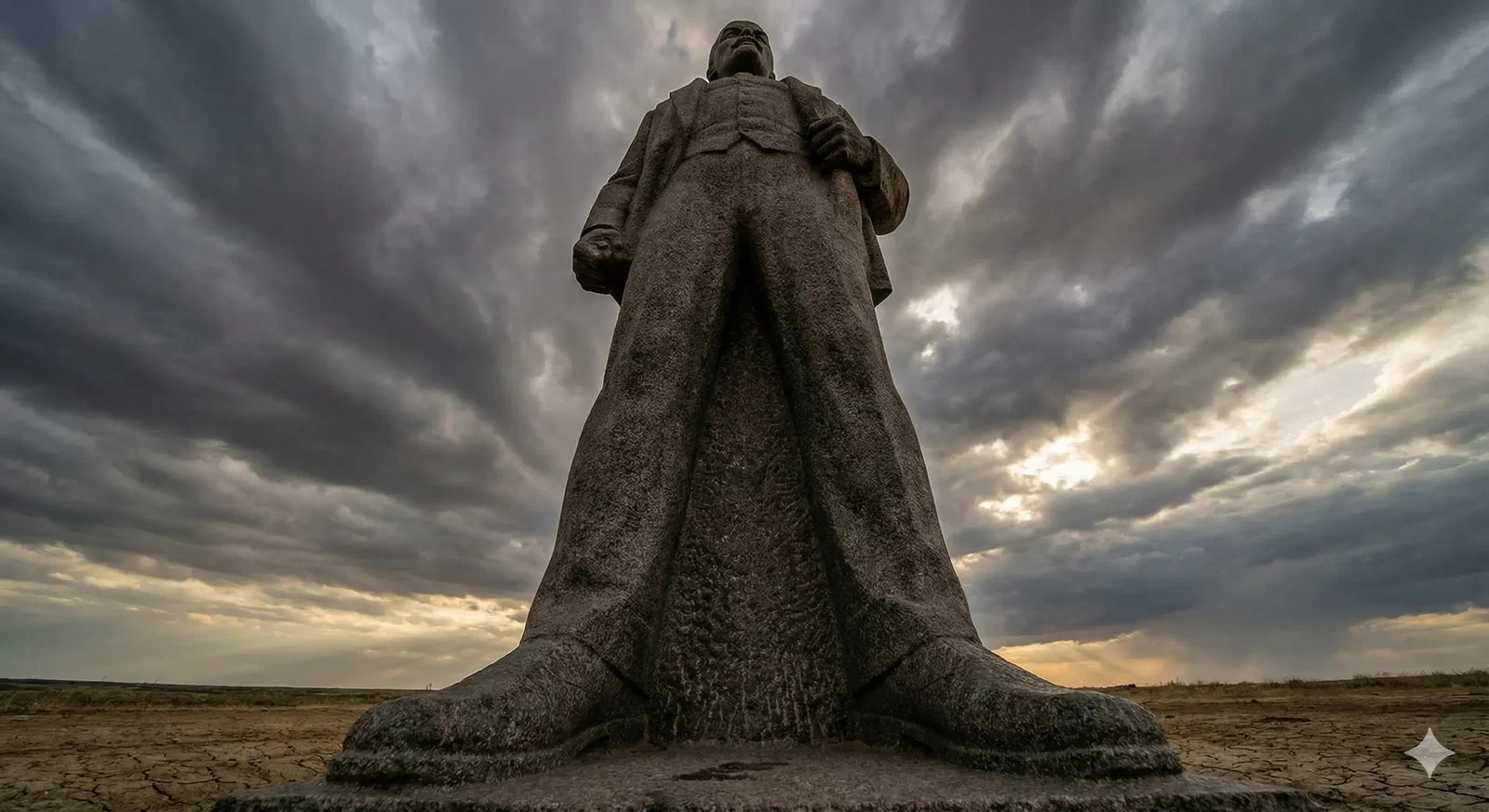
Low-angle shot, 24mm wide lens, subject filling 70% of frame, slight perspective distortion emphasizing height, dramatic clouds visible in background.
High-Angle Shot
What it does: Camera looks down on the subject. Makes the subject seem small, vulnerable, insignificant, trapped, or overwhelmed.
When to use it:
- Showing a character in a weak or emotional moment
- Establishing shots that show someone alone in a vast space
- Creating sympathy for a subject
- Surveillance or "watching from above" feeling
Prompt examples:
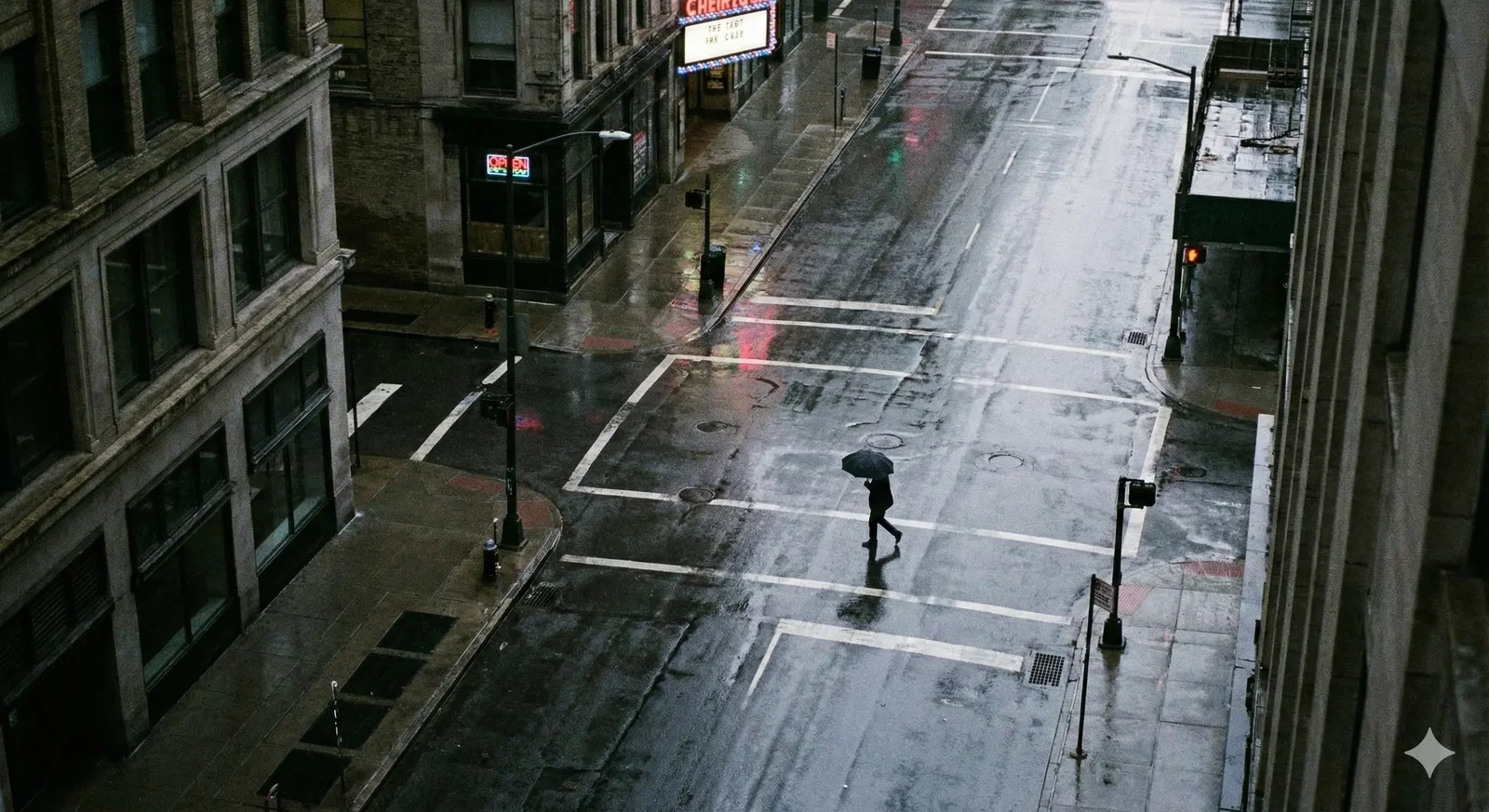
A high-angle shot of the city street with a lone figure walking through rain, emphasizing isolation and vulnerability.
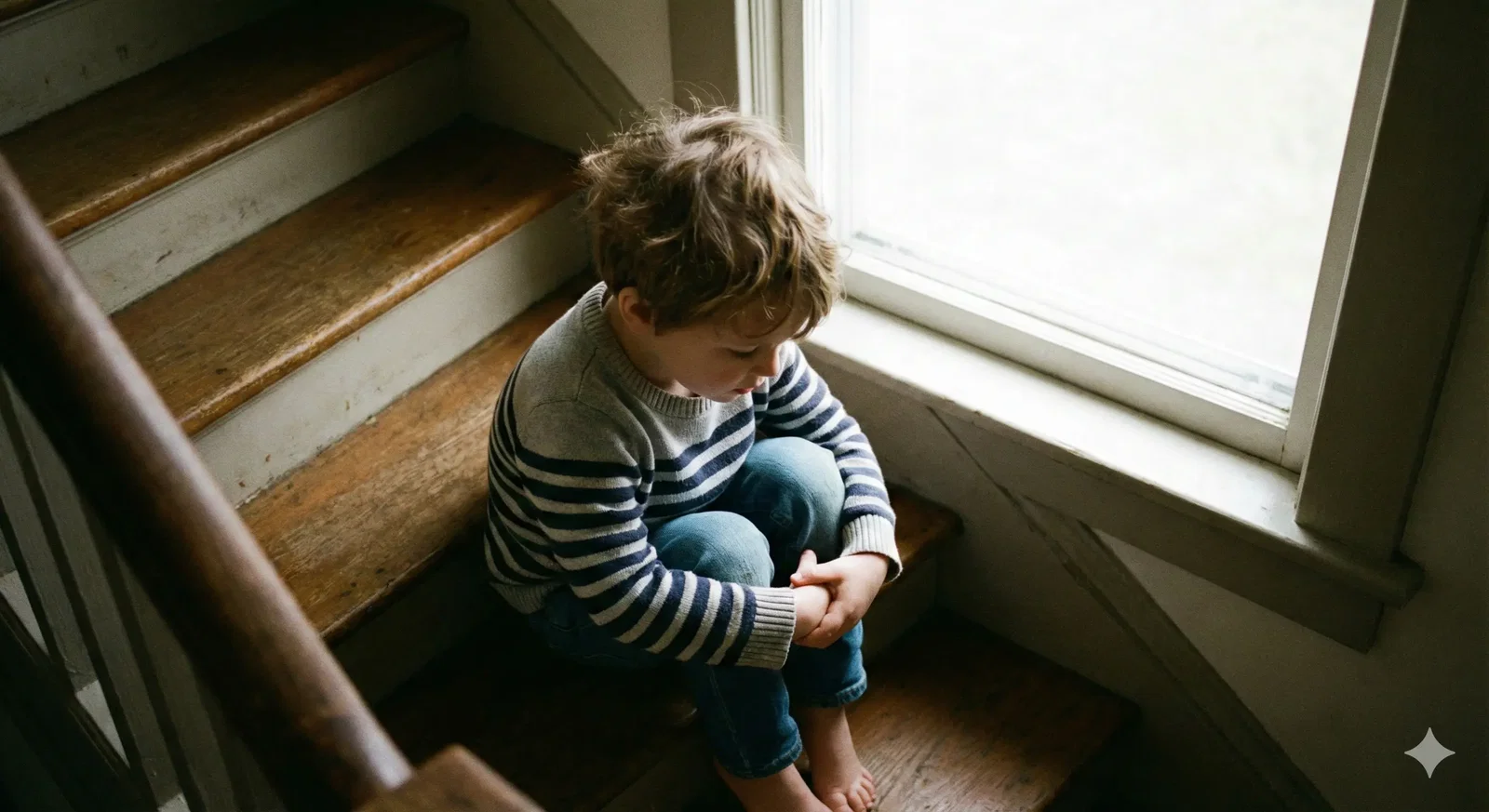
High-angle view of a child sitting on stairs, knees pulled to chest, soft window light, evoking a sense of smallness and introspection.
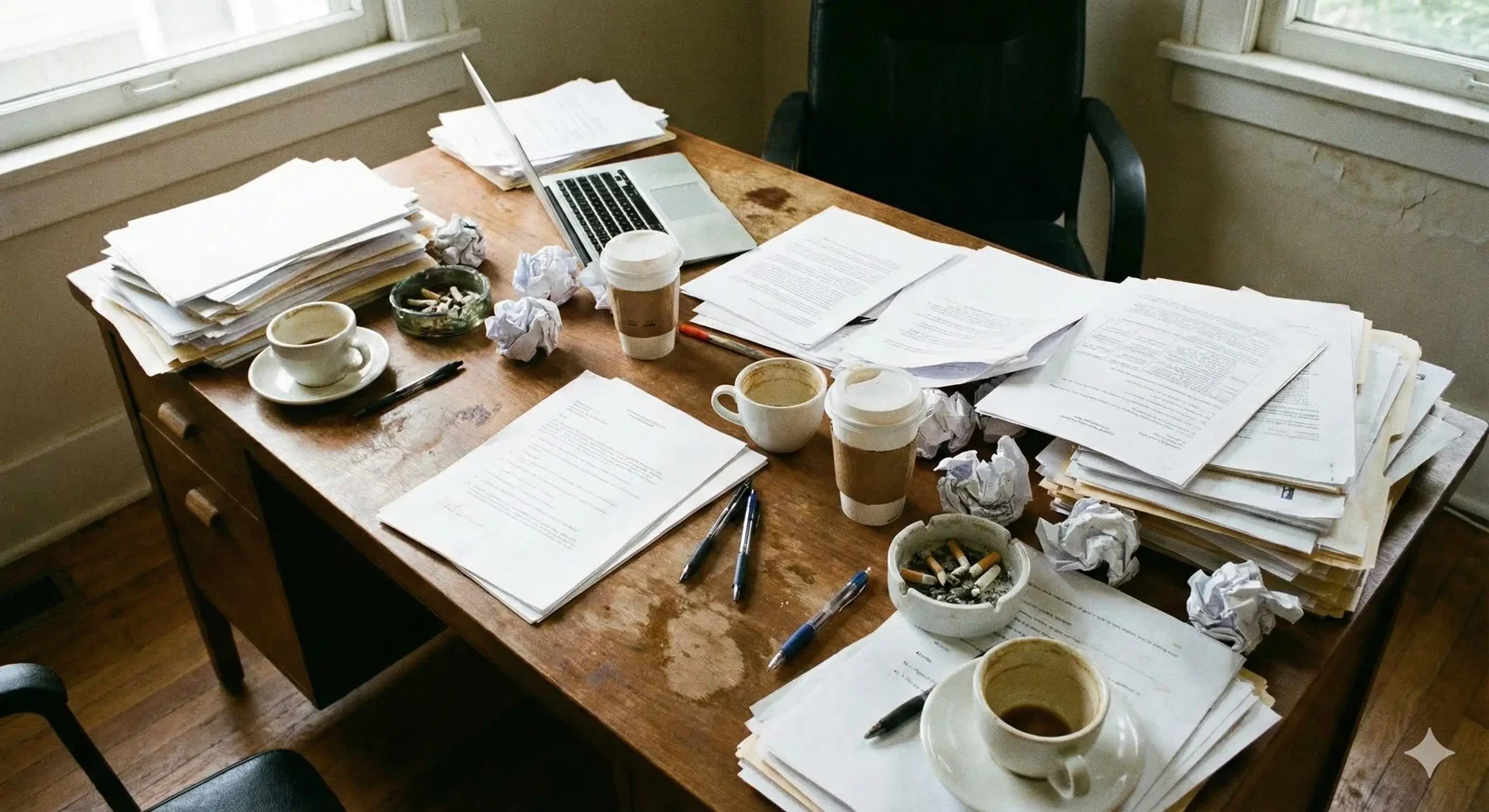
High-angle shot of a desk covered in paperwork, coffee cups, and crumpled notes, suggesting overwhelm and chaos.
Technical additions:
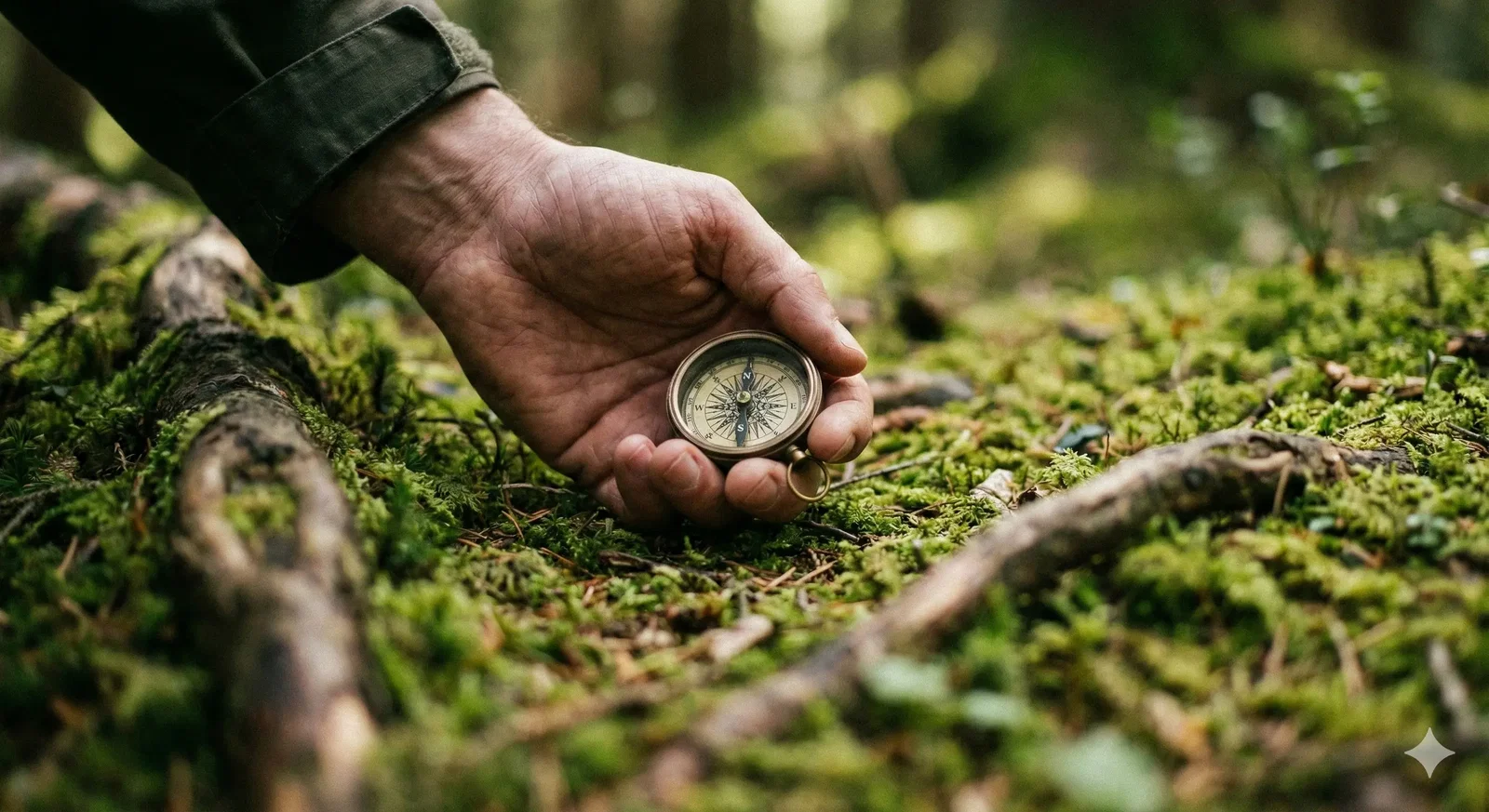
High-angle shot at approximately 45 degrees, 85mm lens compressing the scene, shallow depth of field isolating the subject.
Bird's-Eye View (Top-Down)
What it does: Camera positioned directly overhead, looking straight down. Creates a map-like, omniscient perspective. Removes the subject's individual power. They become part of a larger pattern.
When to use it:
- Flat lays and product arrangements
- Food photography from above
- Showing patterns, layouts, or spatial relationships
- Establishing the scope of a location
- Knolling (organized arrangements of objects)
Prompt examples:
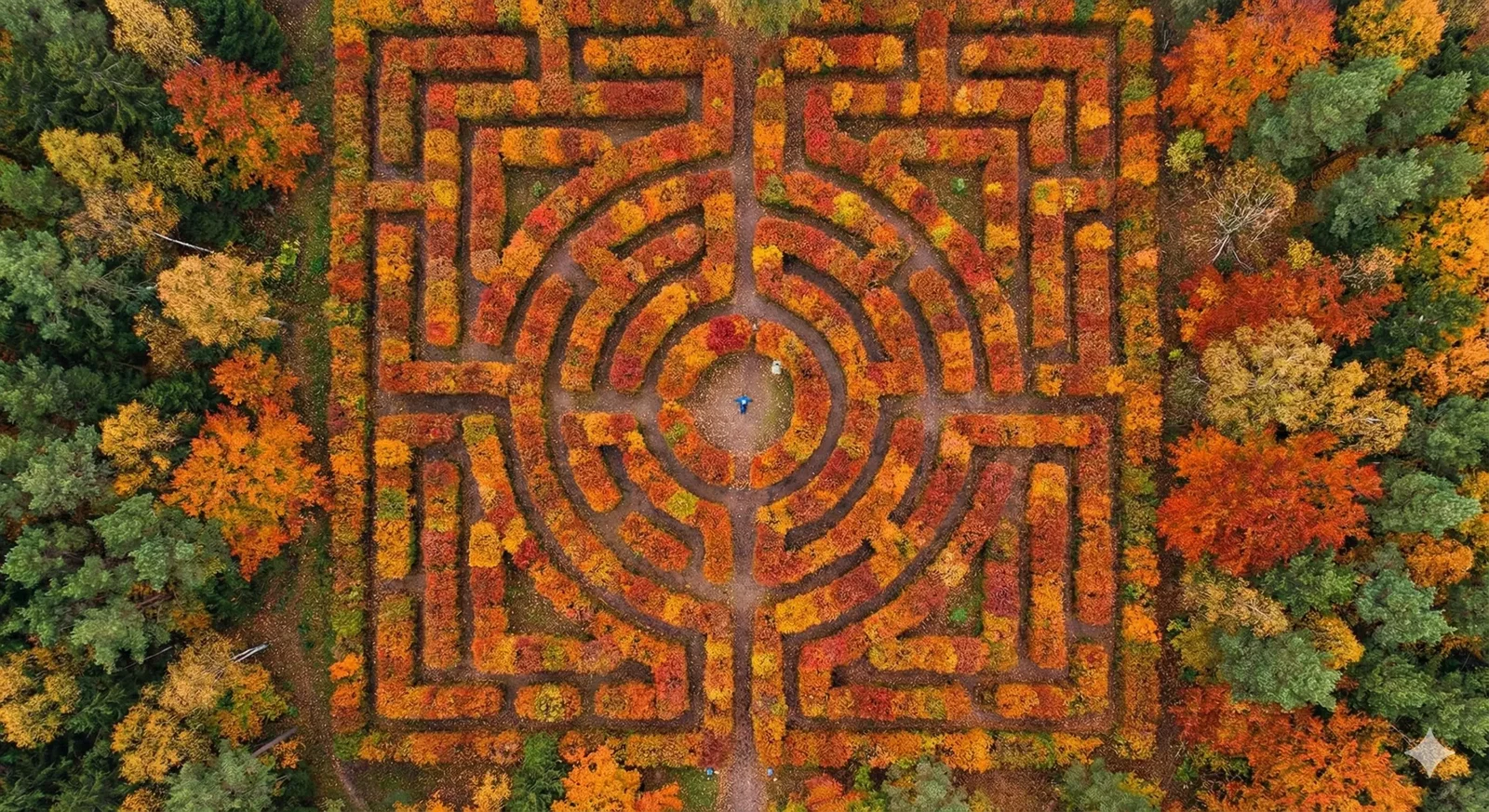
Bird's-eye view of a forest maze, autumn colors creating a geometric pattern, a single figure visible at the center.
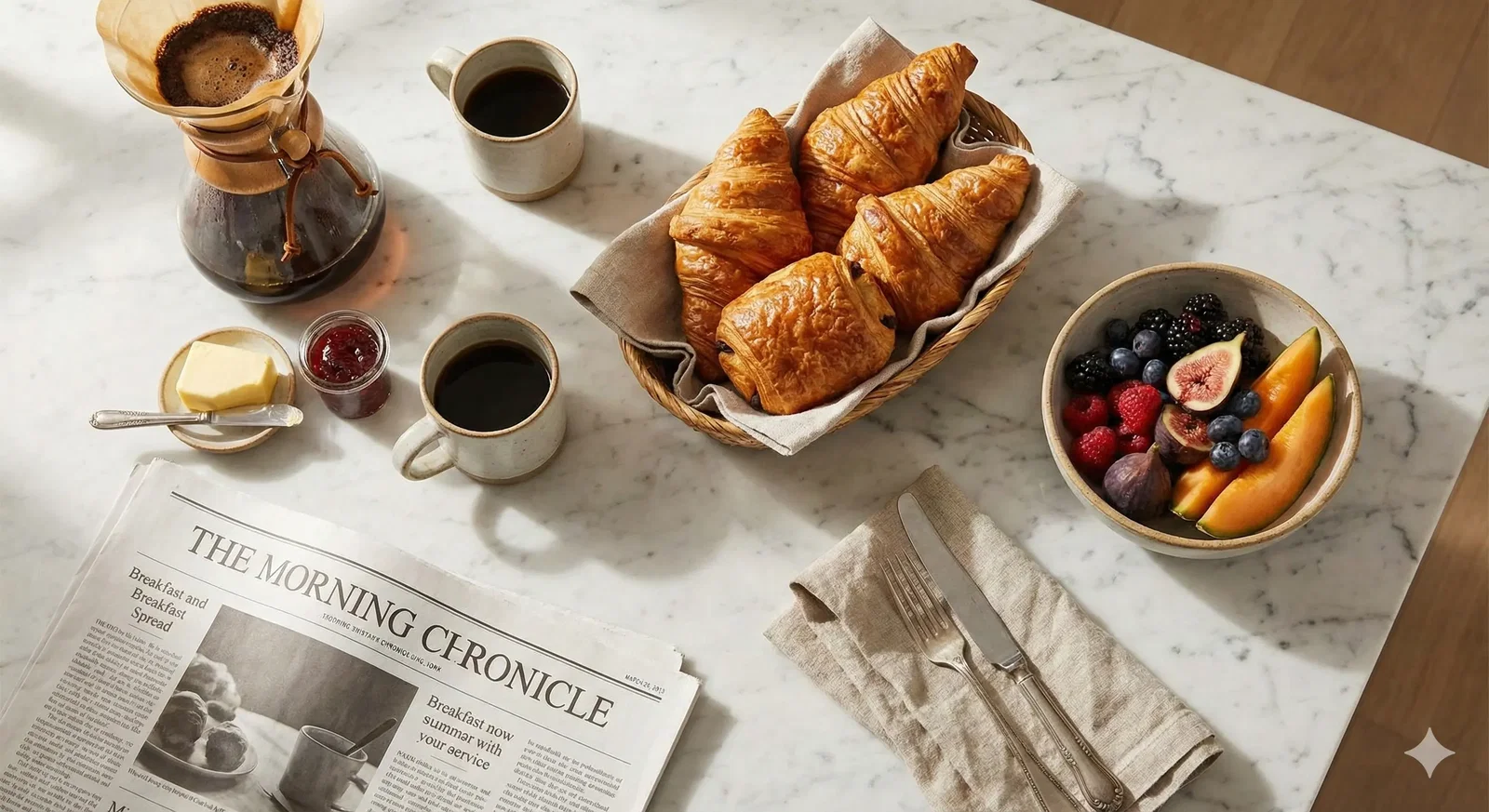
Top-down shot of a breakfast spread on a marble table, coffee, croissants, fruit bowl, newspaper, warm morning light casting soft shadows.
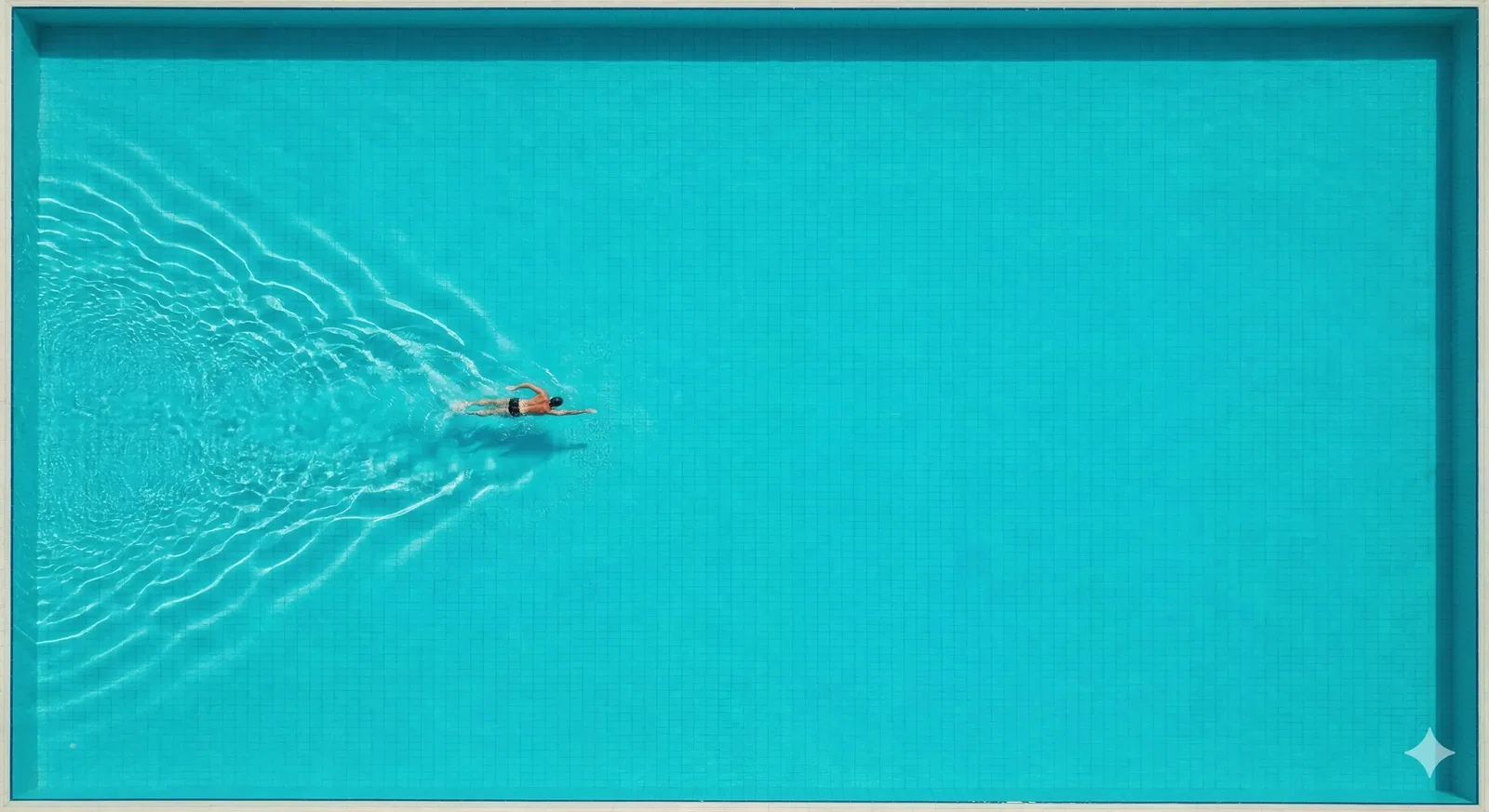
Bird's-eye view of a swimmer in a turquoise pool, body creating ripples in perfectly still water, minimalist composition with negative space.
Technical additions:
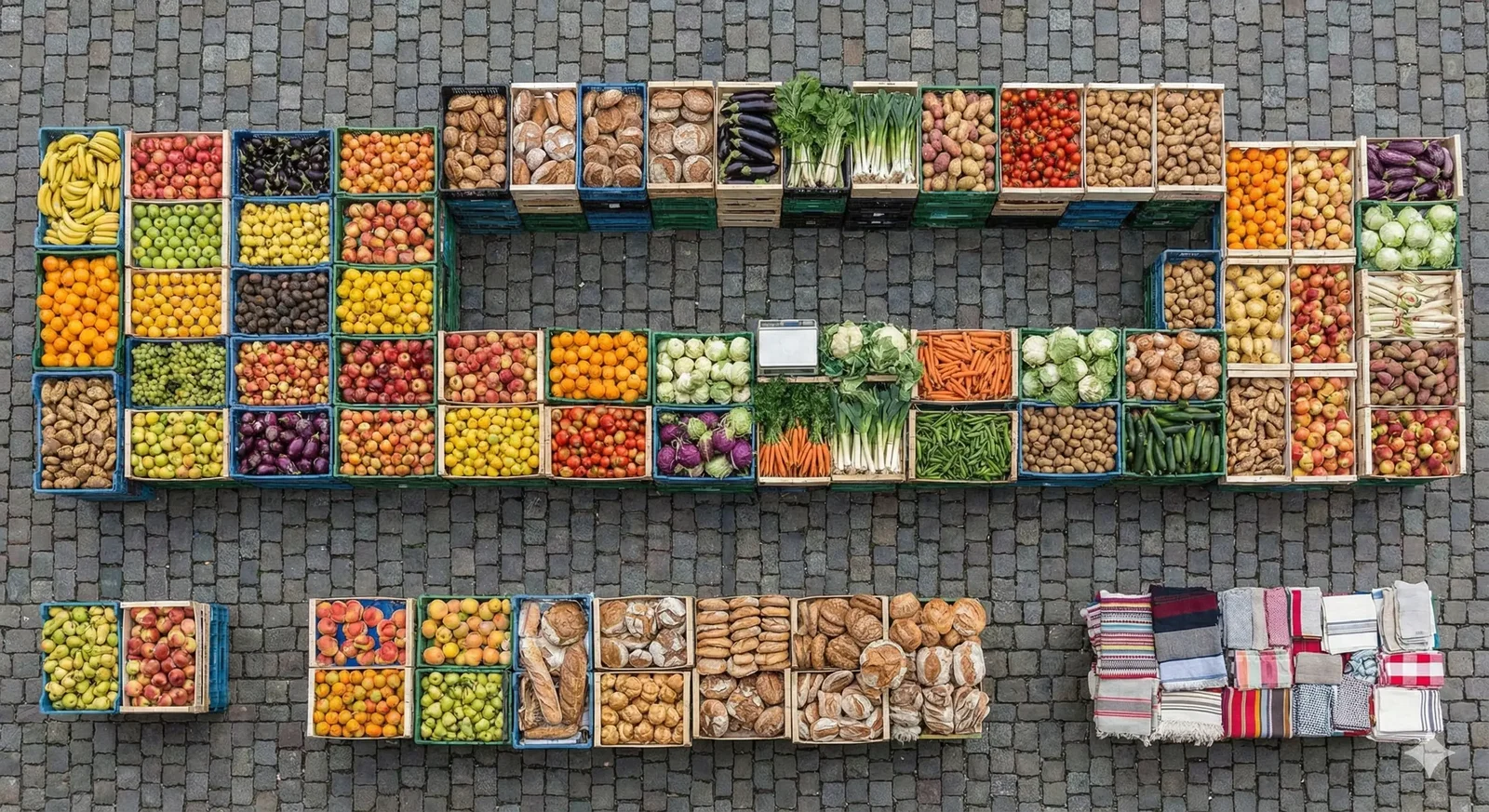
Perfectly overhead bird's-eye view, no perspective distortion, flat composition, even lighting eliminating harsh shadows.
Worm's-Eye View
What it does: Camera extremely low to the ground, looking up dramatically. An exaggerated version of the low-angle shot. Makes subjects tower over the viewer, creating awe, fear, or a child-like perspective.
When to use it:
- Extreme emphasis on height or power
- Creating a sense of wonder (like a child looking up)
- Making everyday objects feel monumental
- Horror or thriller tension
Prompt examples:
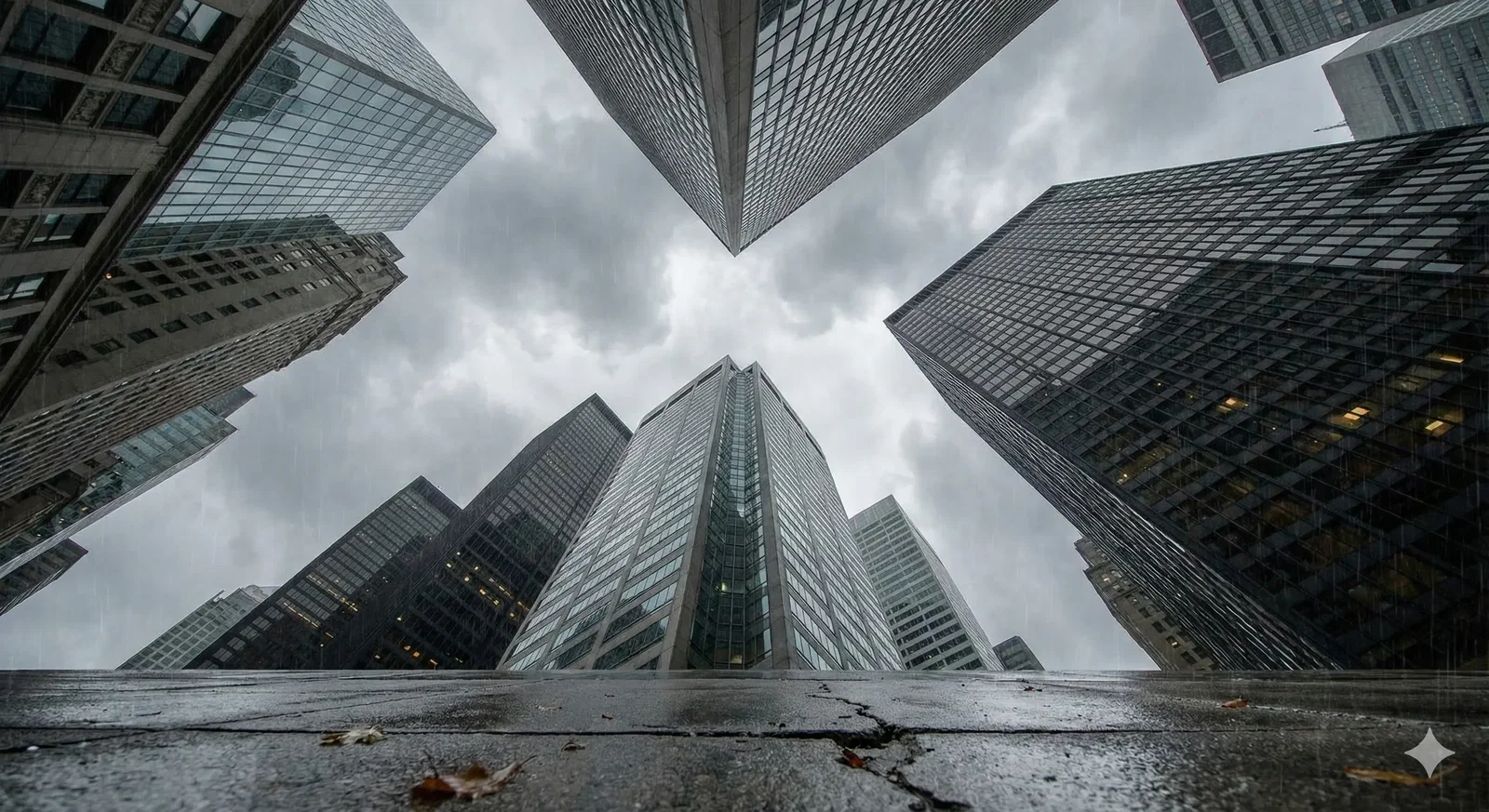
Worm's-eye view from the ground, looking up at towering skyscrapers, converging lines against an overcast sky.
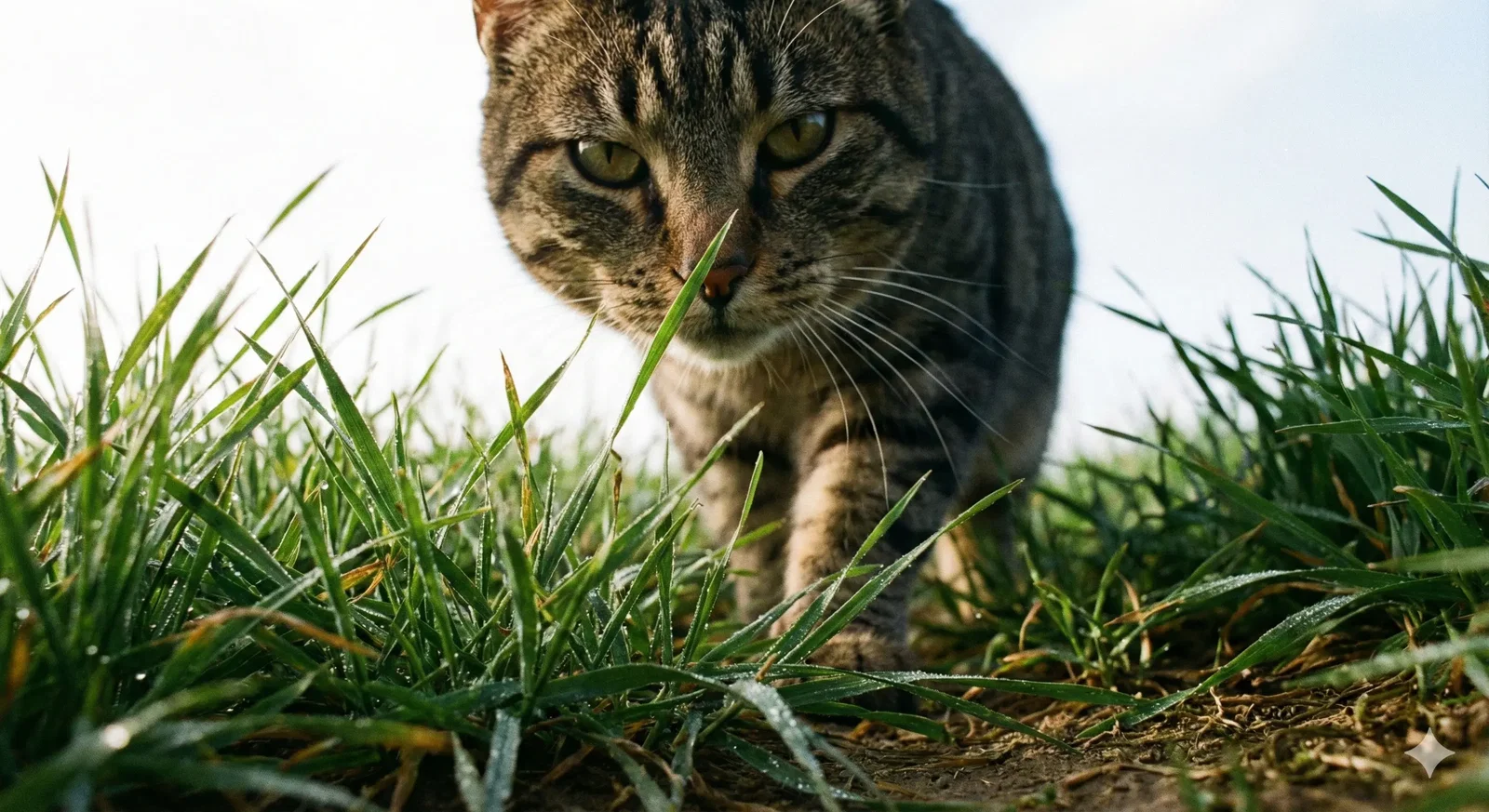
Worm's-eye perspective of tall grass, a cat looming above like a predator, shallow focus on the nearest blades.
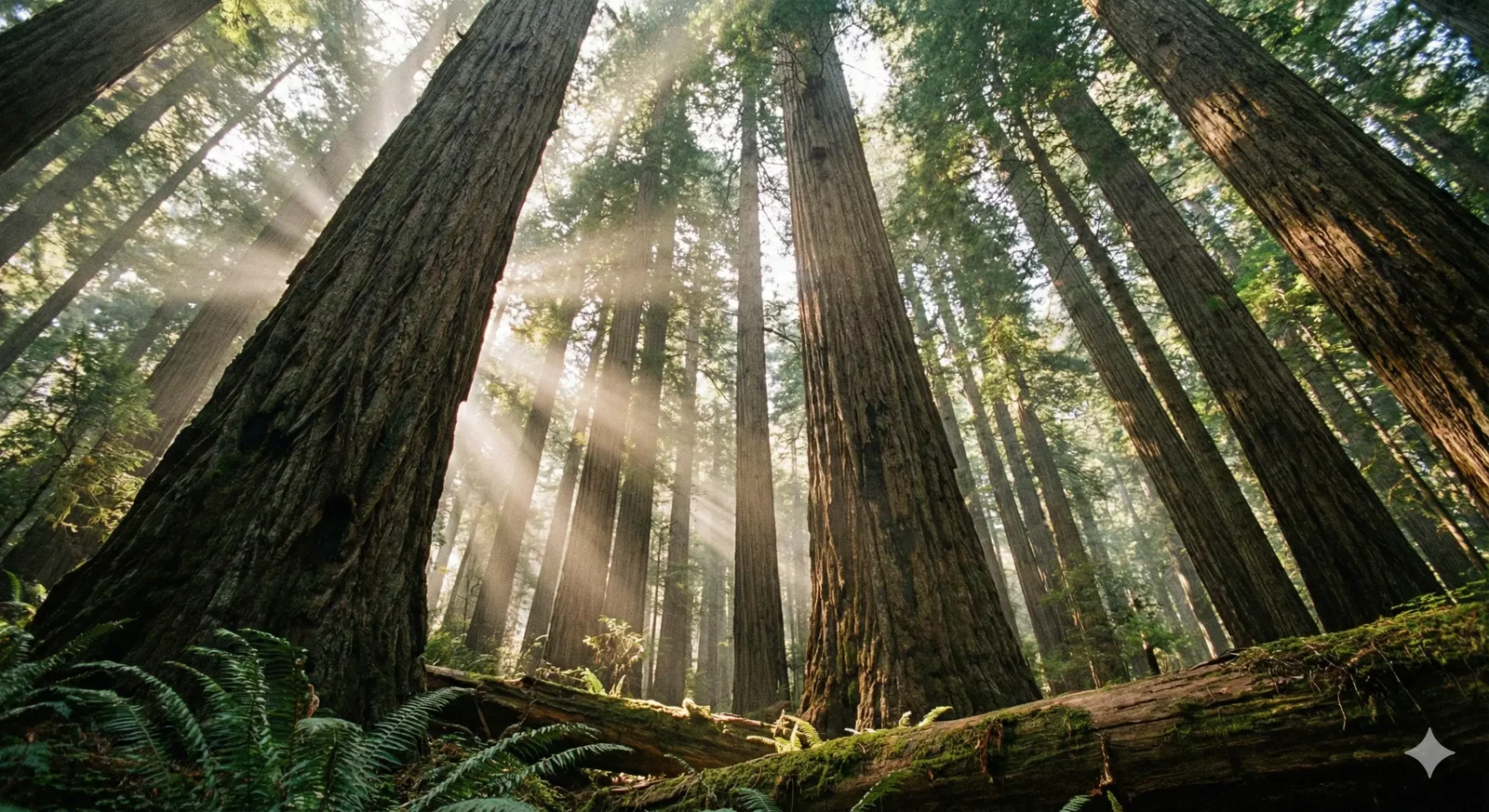
Worm's-eye view of a redwood forest, trunks stretching impossibly high, sunbeams filtering through the canopy.
Technical additions:
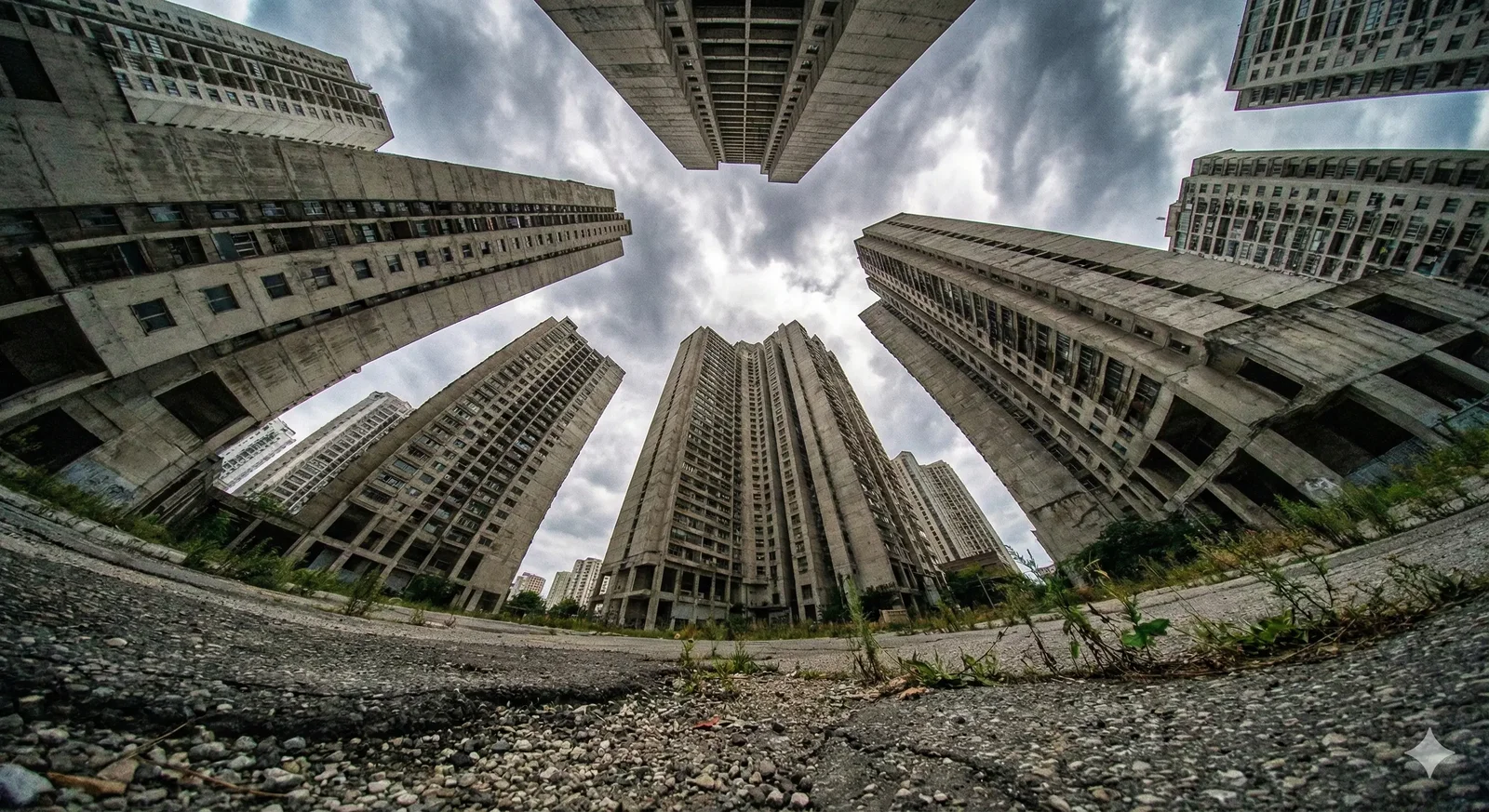
Extreme worm's-eye view, camera at ground level, ultra-wide 14mm lens exaggerating perspective, dramatic convergence toward the sky.
Horizontal Angles: Front, Side, and Between ↔️
Horizontal angles control intimacy and how much of the subject we see.
Front-Facing (Straight-On) Shot
What it does: Camera at the same height as the subject, positioned directly in front. Creates a neutral, honest, confrontational, or formal feeling. The subject meets the viewer's gaze directly.
When to use it:
- Portraits that feel direct and honest
- ID photos, headshots, formal documentation
- When you want the subject to "address" the viewer
- Mugshots, confrontational imagery
Prompt examples:
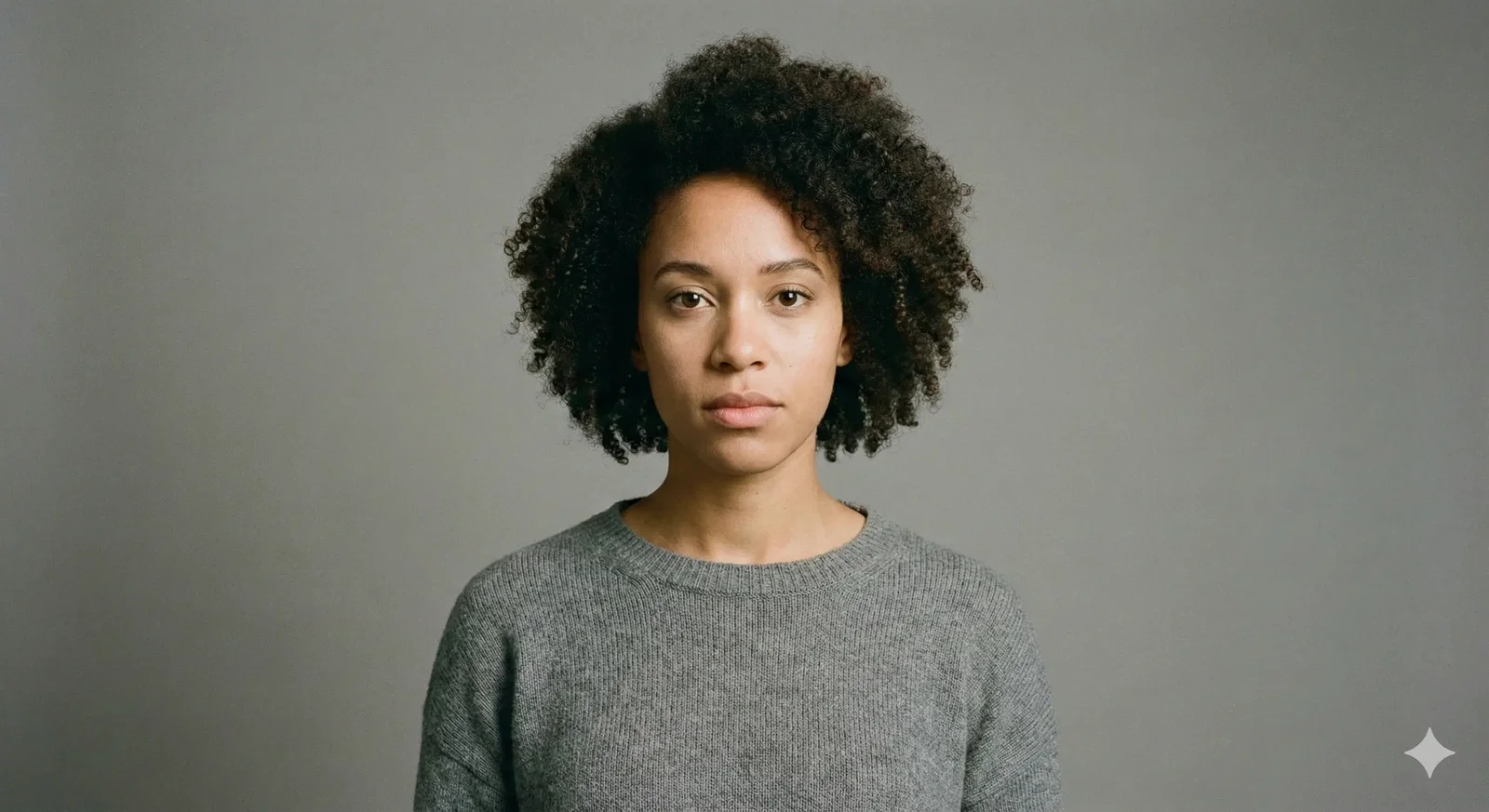
A straight-on shot of the portrait, subject looking directly at camera, neutral expression, even studio lighting.
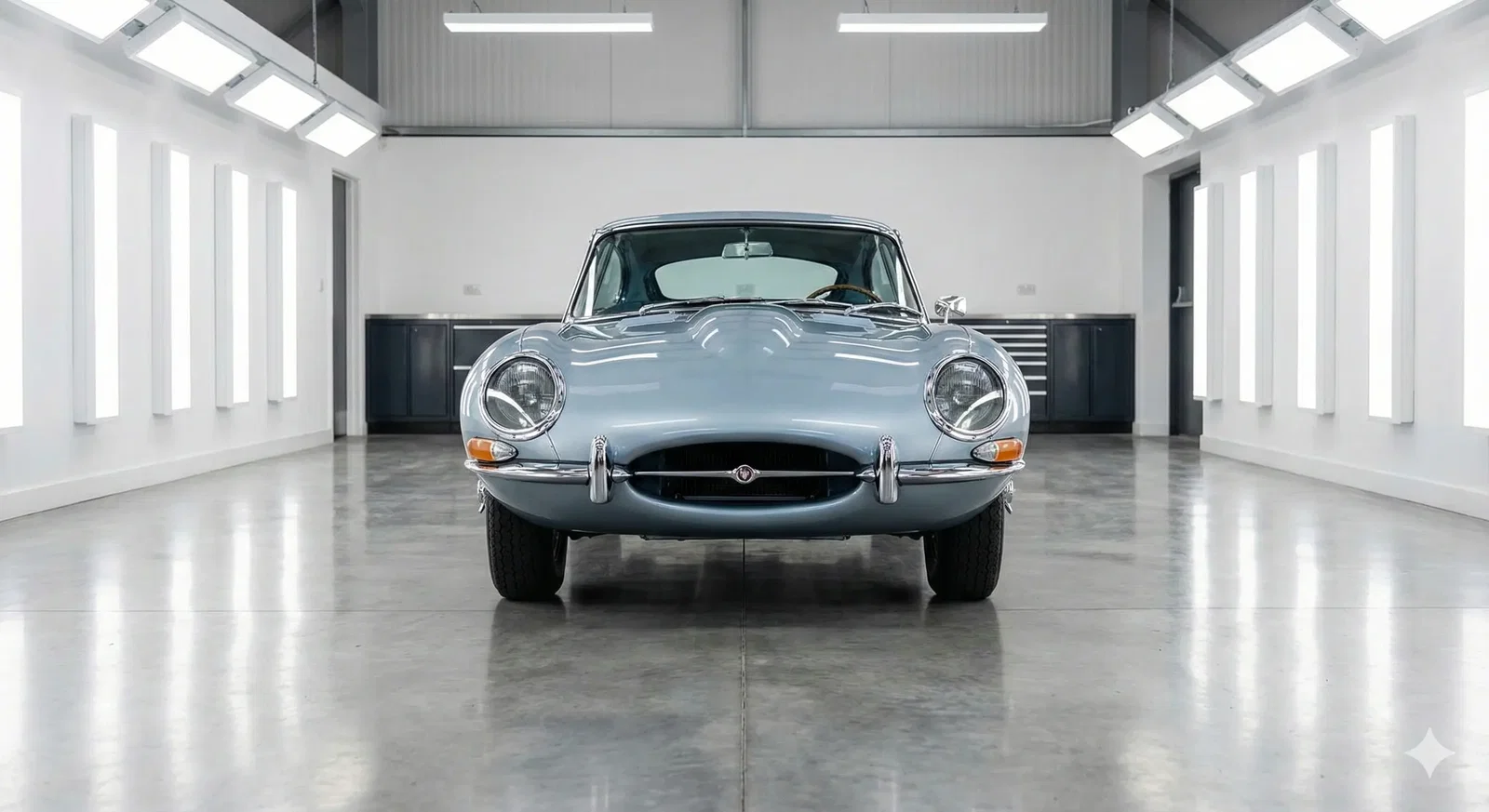
Front-facing view of a vintage car, perfectly symmetrical composition, clean garage background, showroom lighting.
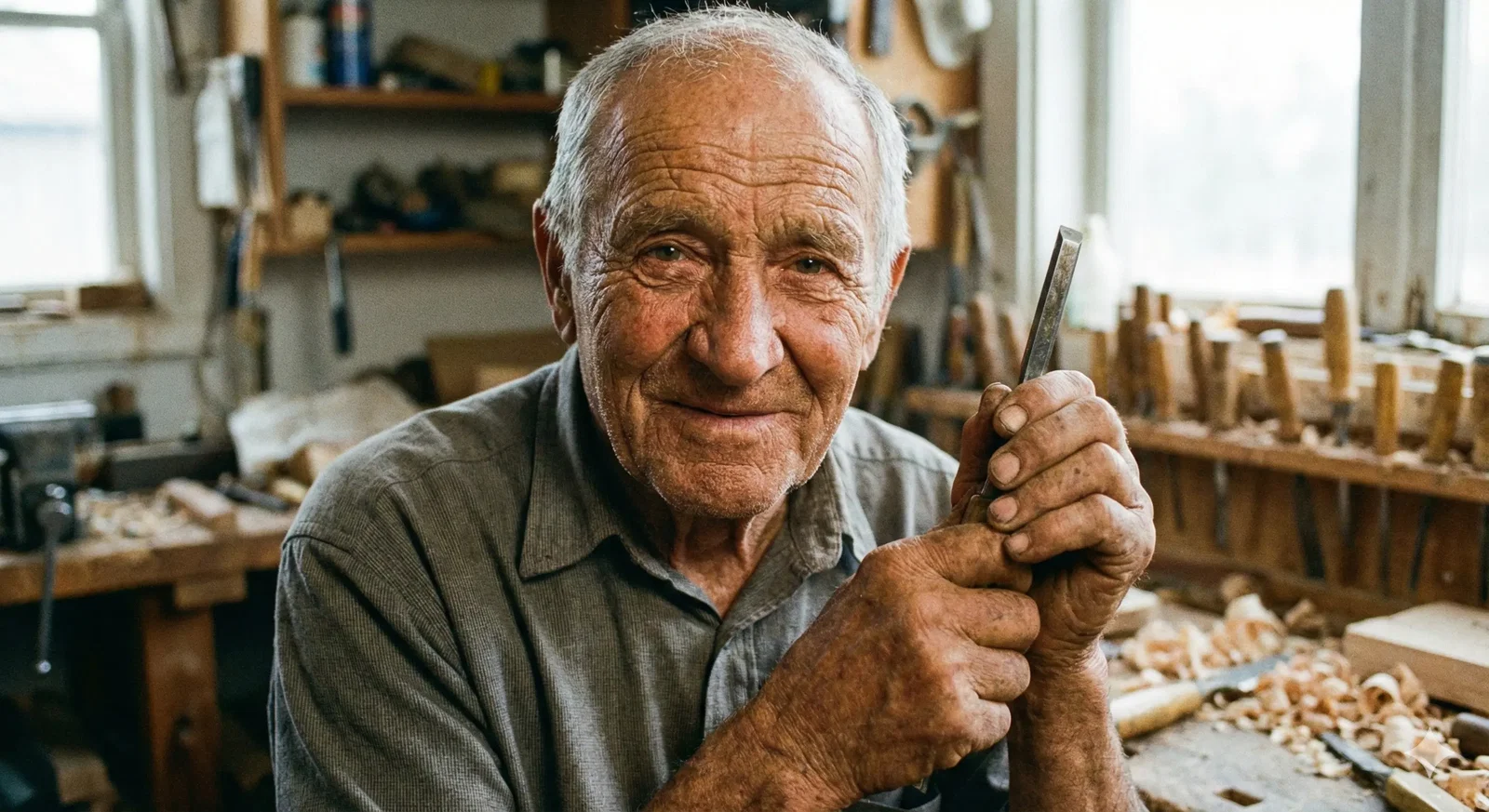
Straight-on portrait of an elderly craftsman, weathered face, direct eye contact, telling a story of decades of work.
Technical additions:
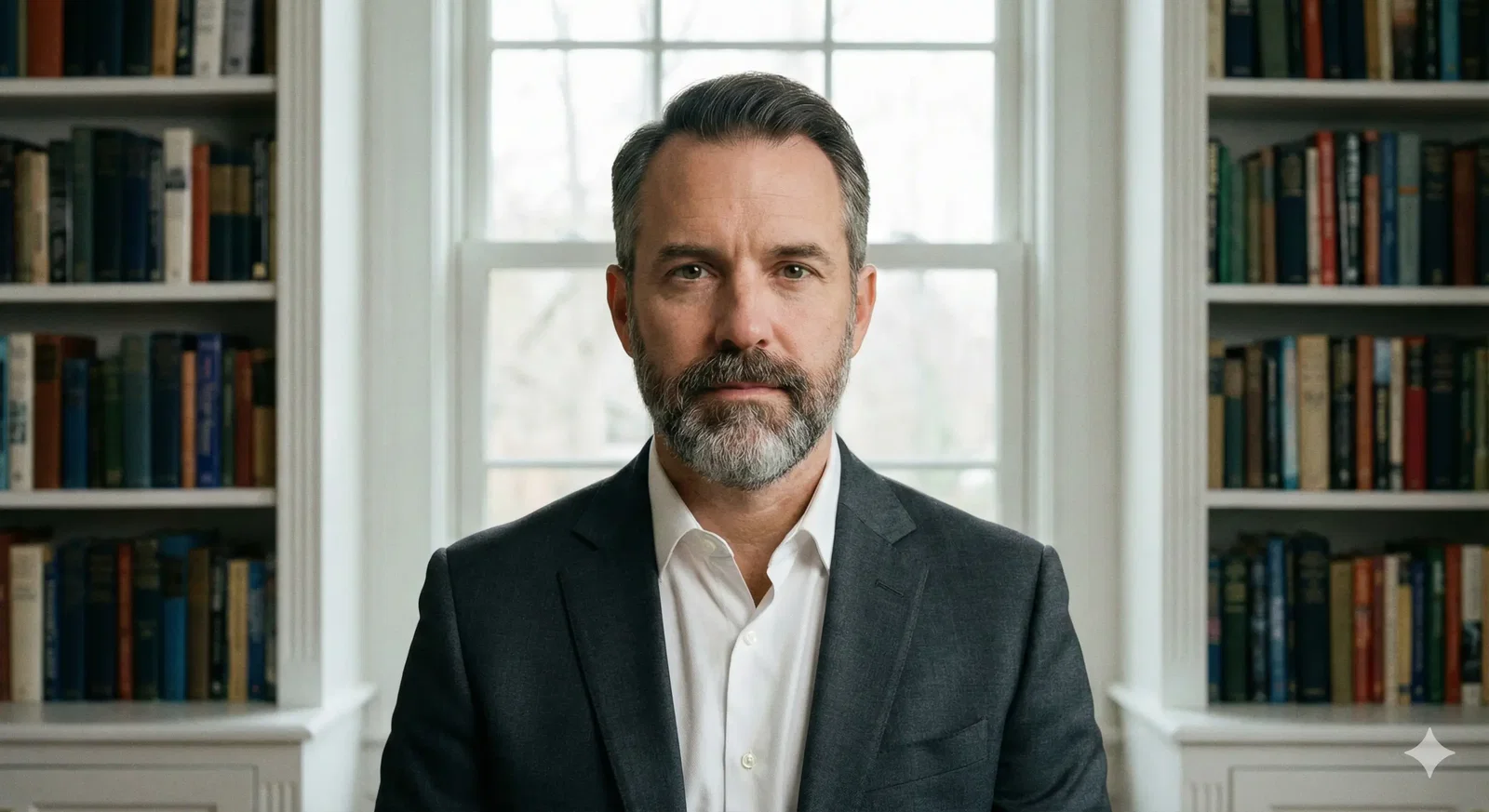
Perfectly straight-on angle, eye-level camera height, 50mm lens for natural perspective, symmetrical framing, subject centered.
Side Profile View
What it does: Camera positioned to the side, showing the subject's profile. Creates a classical, sculptural, contemplative, or narrative feeling. Often feels more artistic than confrontational.
When to use it:
- Classical or artistic portraits
- Showing silhouettes
- When the subject is looking at or moving toward something
- Emphasizing facial features (nose, jawline)
Prompt examples:
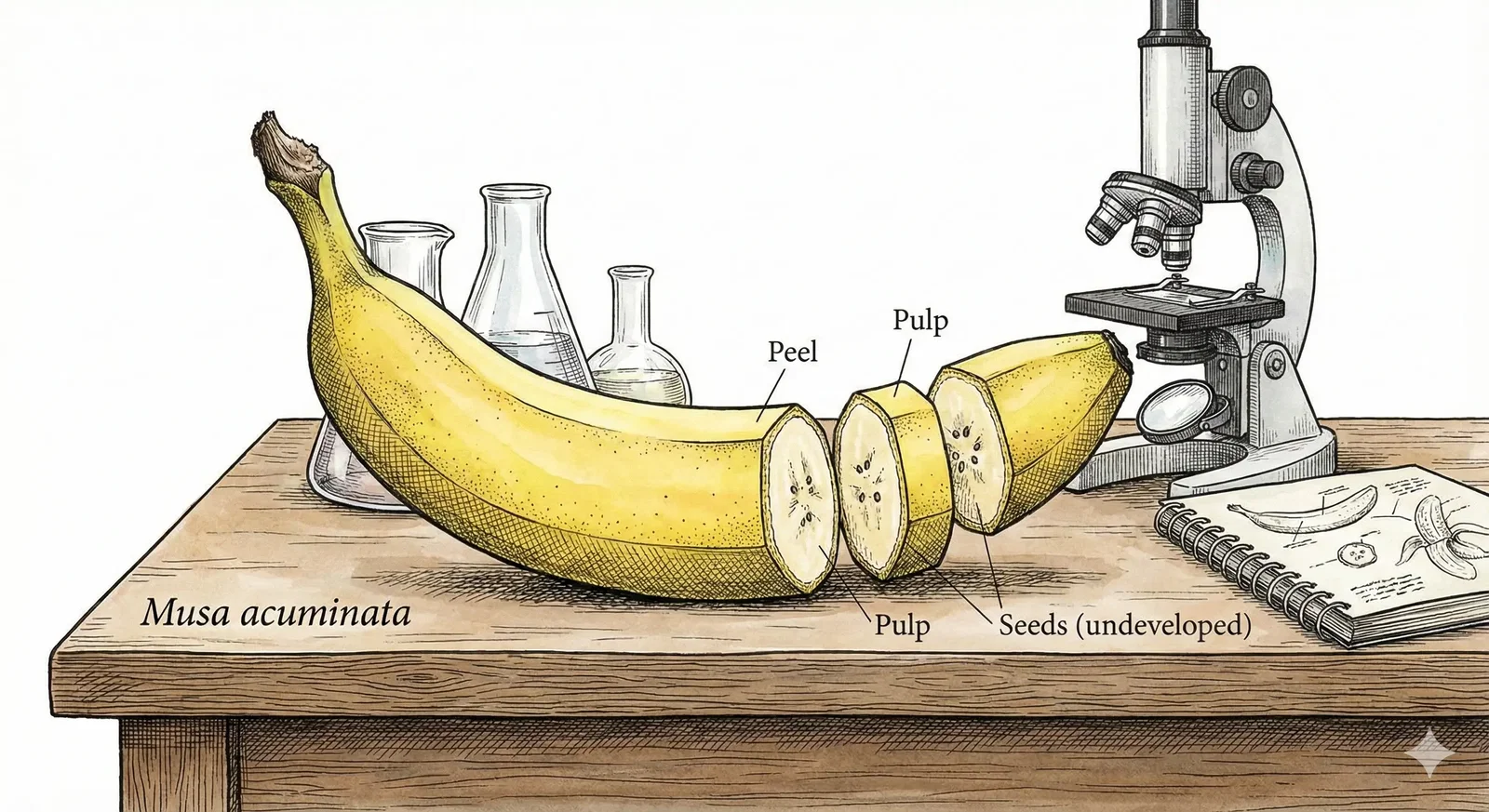
A side profile view of a banana on a lab bench, scientific illustration style, clean white background, precise lighting.
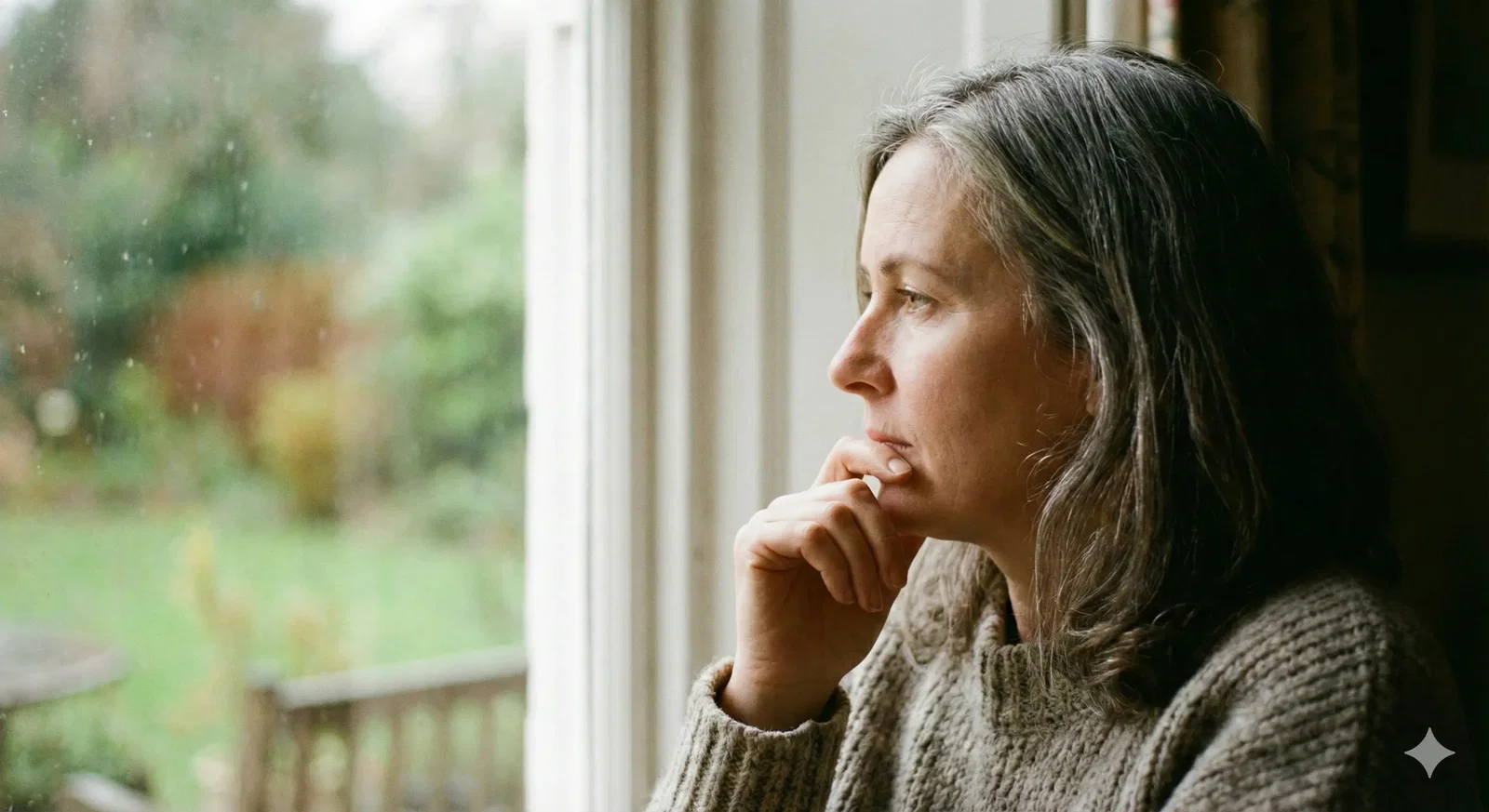
Profile portrait of a woman looking out a window, soft natural light illuminating her features, contemplative mood, shallow depth of field.
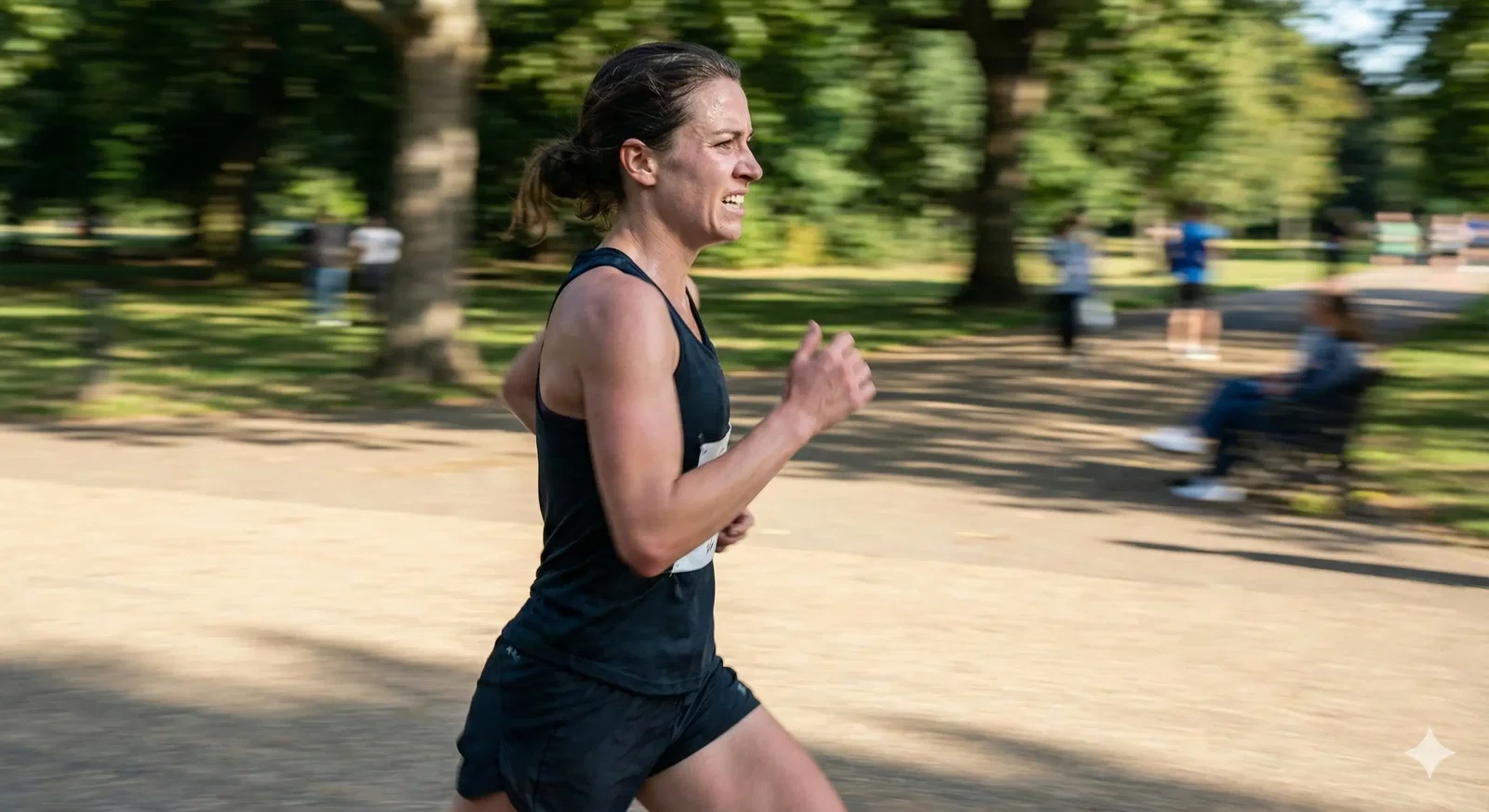
Side view of a runner mid-stride, motion blur on limbs, sharp focus on face, capturing determination and movement.
Technical additions:
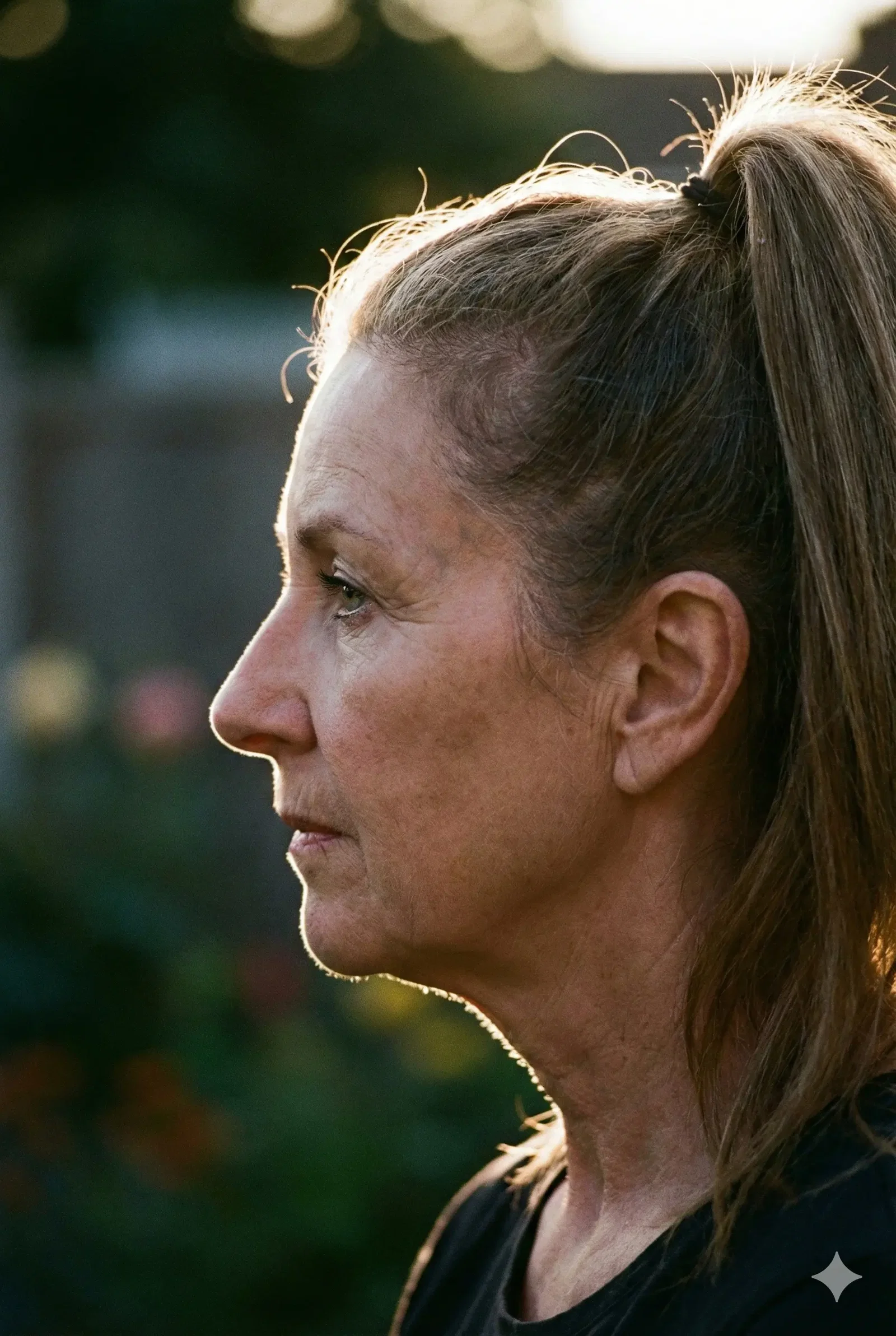
Pure 90-degree side profile, rim lighting separating subject from background, 85mm portrait lens, f/2.8 for background separation.
Specialty Angles: Adding Drama and Narrative 🎬
These angles break conventional rules to create specific emotional effects.
Dutch Angle (Tilted Frame / Off-Kilter)
What it does: Camera deliberately tilted to one side. The horizon line is no longer level. Creates unease, tension, disorientation, or dynamic energy. Something feels "wrong" or exciting.
When to use it:
- Action sequences and chase scenes
- Horror, thriller, psychological tension
- Showing a character's mental state (confusion, intoxication)
- Dynamic, energetic compositions
- Stylized editorial or fashion photography
Prompt examples:
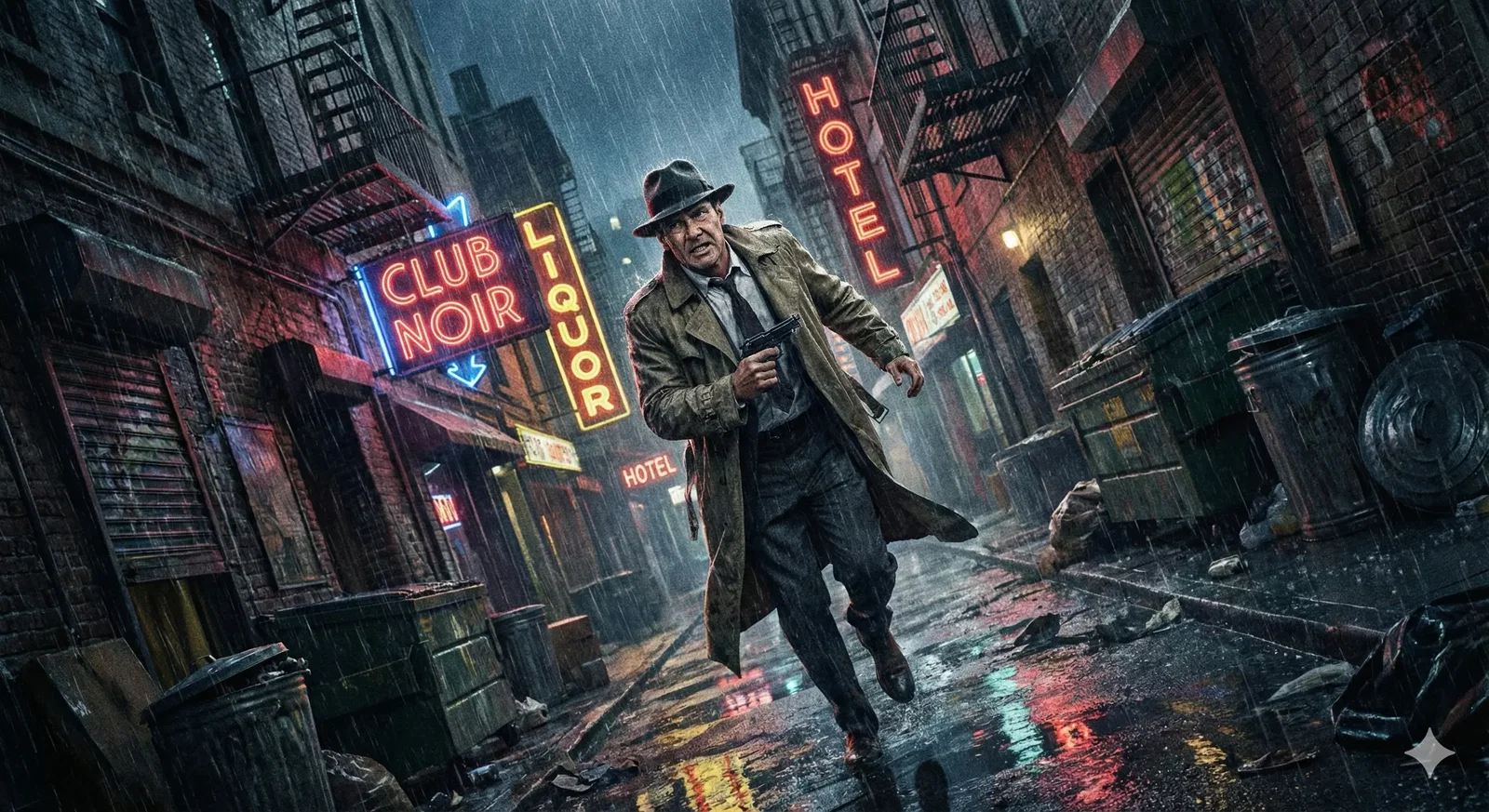
A tense, action scene using a Dutch angle, detective running through rain-soaked alley, neon signs tilted, creating urgency and chaos.
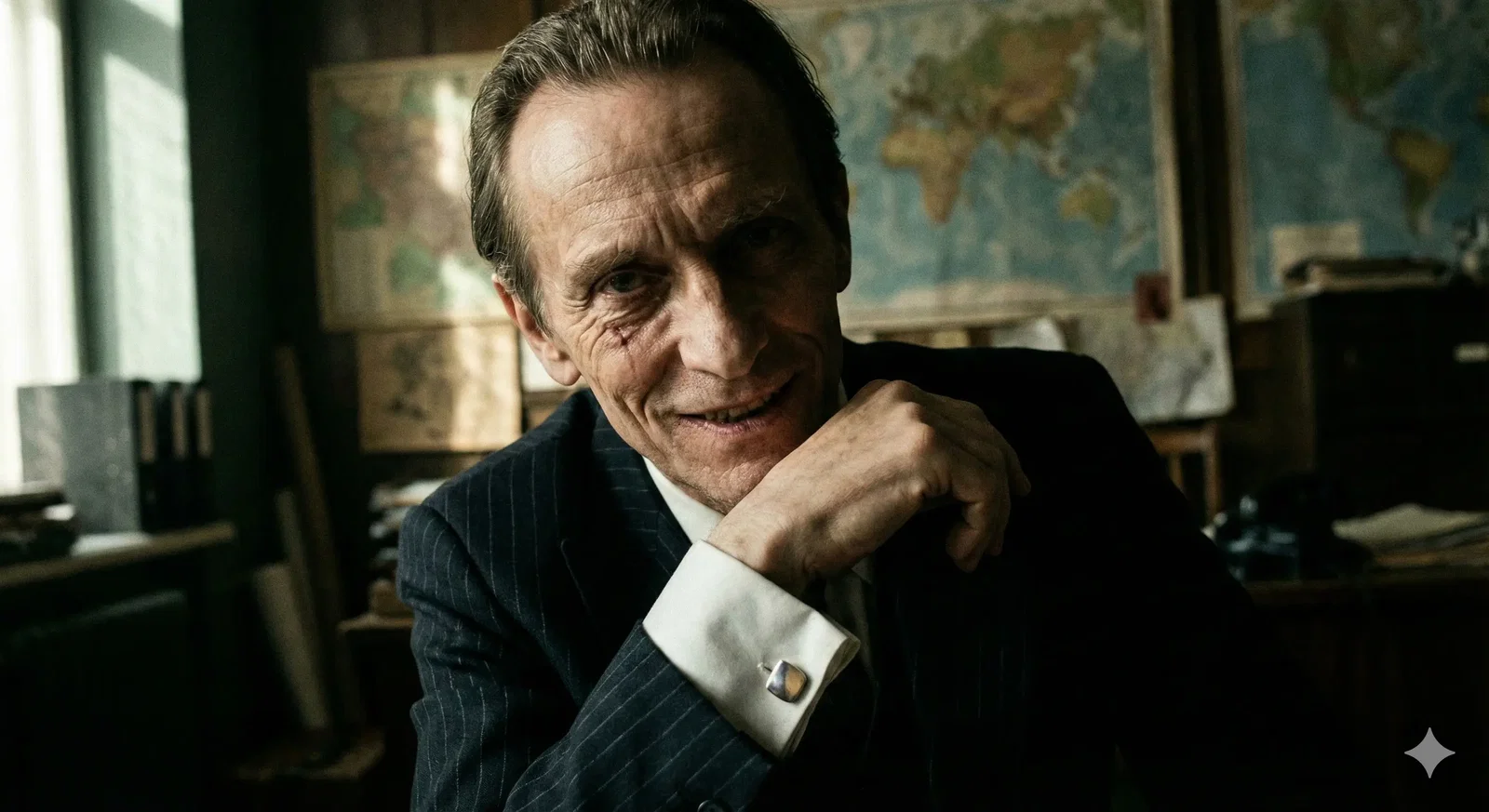
Dutch angle portrait of a villain, 15-degree tilt, harsh side lighting, unsettling smile, something clearly wrong.
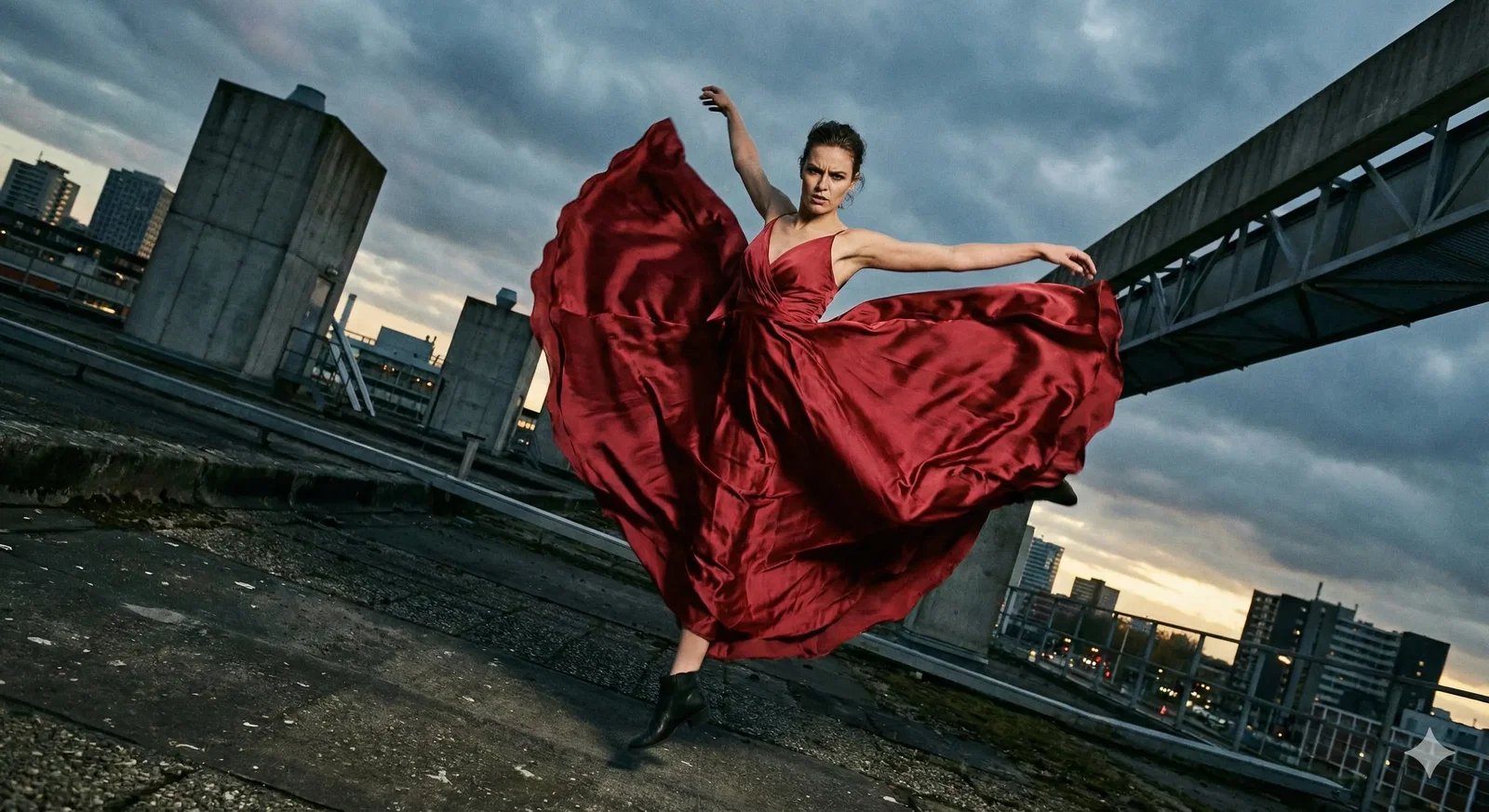
Dynamic fashion shot with Dutch angle, model mid-movement, fabric flowing, editorial style with intentional tension.
Technical additions:
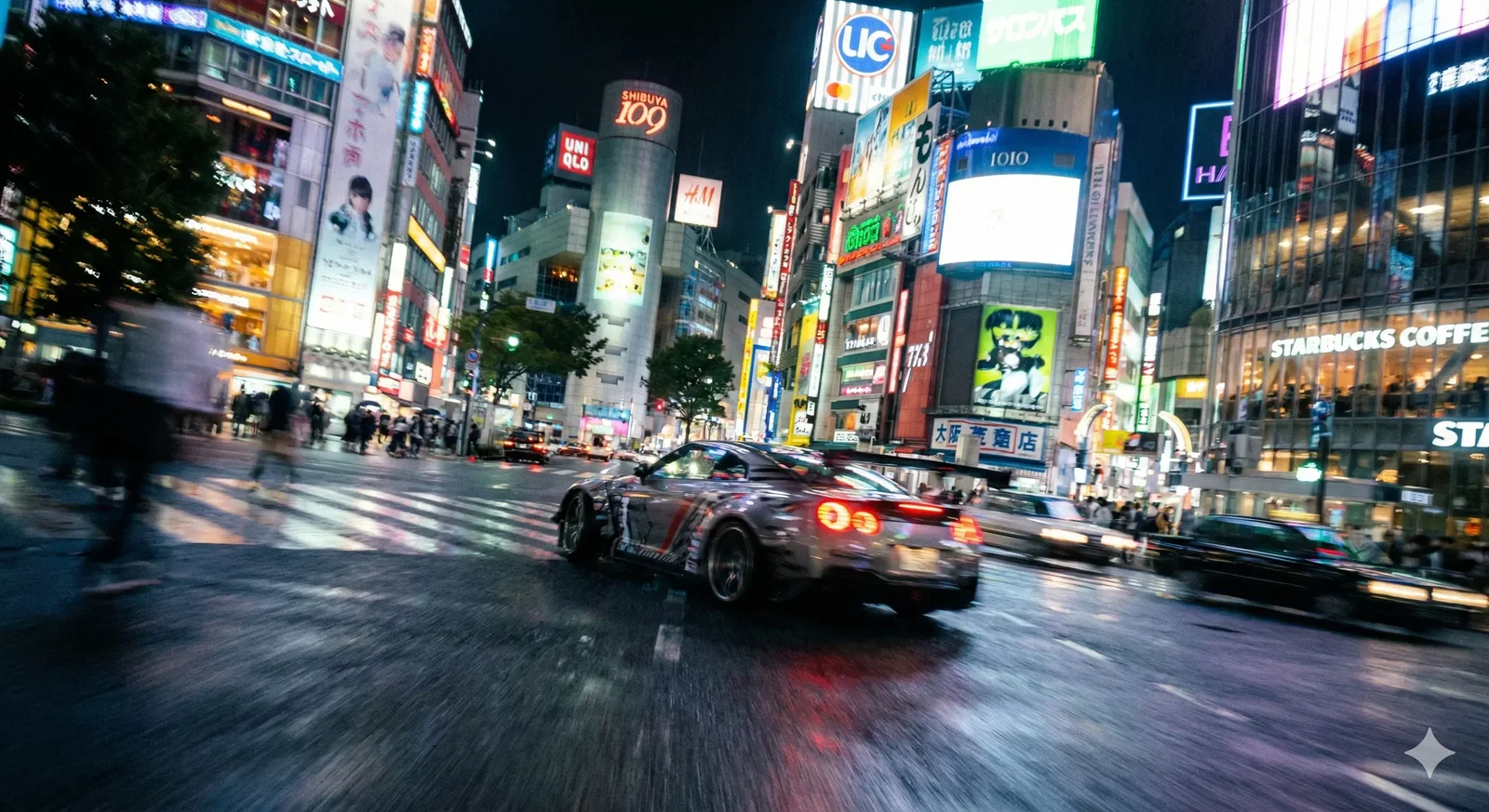
Dutch angle tilted 20 degrees to the right, wide 35mm lens, deep depth of field, motion blur suggesting rapid movement.
Degree of tilt matters:
- 5-10°: Subtle unease, barely noticeable
- 15-25°: Clearly intentional, dynamic
- 30°+: Extreme disorientation, very stylized
Over-the-Shoulder Shot (OTS)
What it does: Camera placed behind a person's shoulder, looking at another subject or scene. Creates a sense of perspective, relationship, or voyeurism. The viewer sees what the character sees, but is reminded of the character's presence.
When to use it:
- Conversations between two people
- Showing someone observing a scene
- POV-adjacent shots that maintain context
- Surveillance or "watching" feeling
Prompt examples:
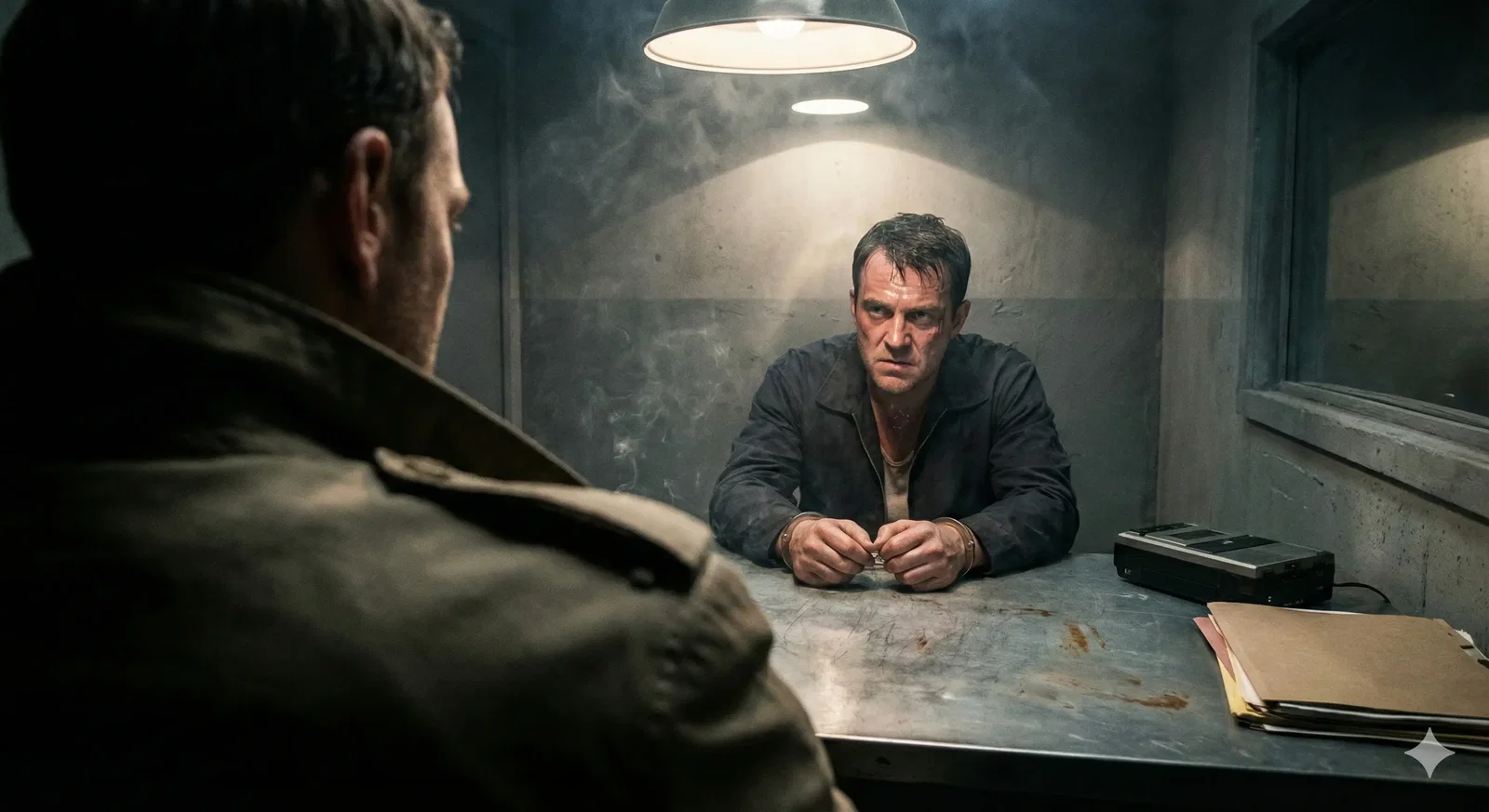
Over-the-shoulder shot of a detective looking at a suspect across an interrogation table, harsh overhead lighting, tense atmosphere.
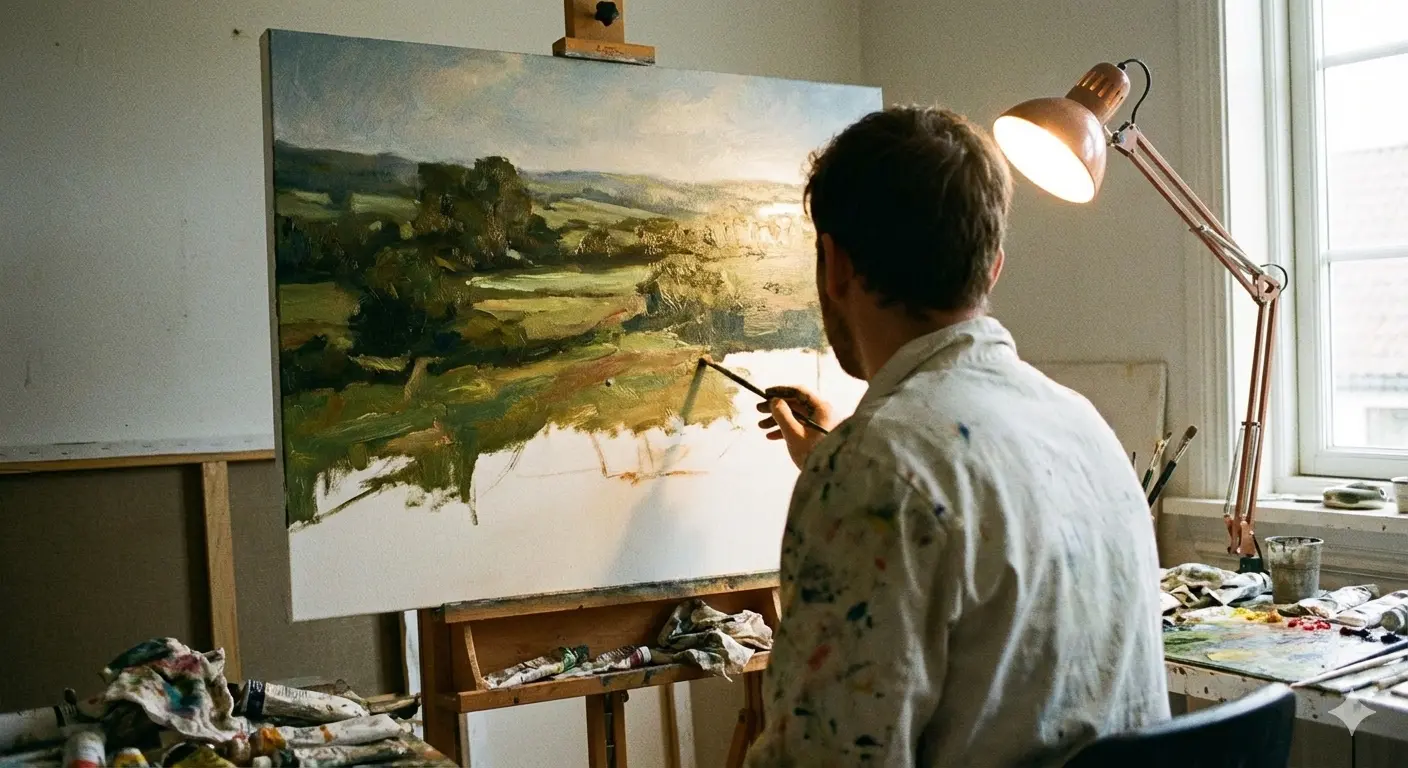
OTS view of a painter studying their canvas, brush in hand, studio light on the artwork, viewer seeing both artist and creation.
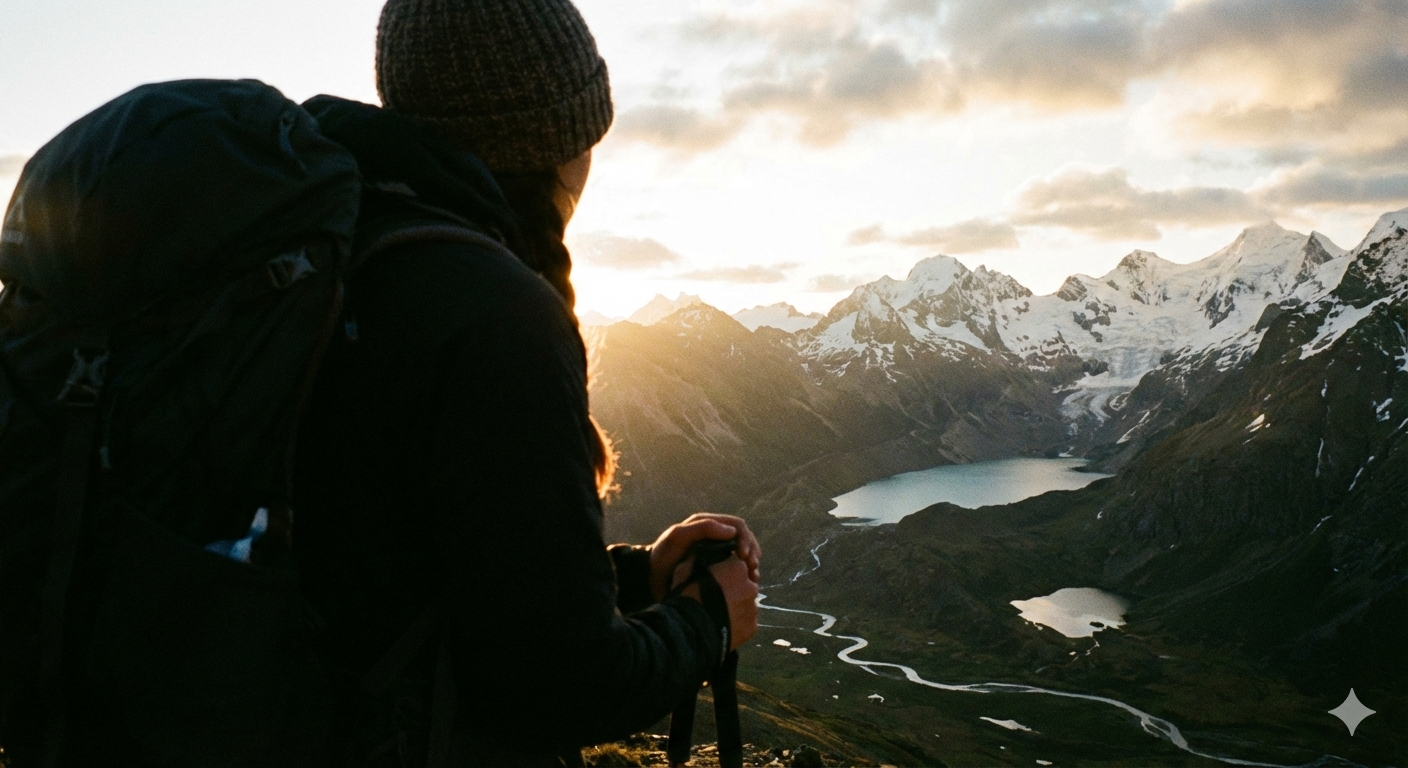
Over-the-shoulder shot of someone looking at a breathtaking mountain vista, their silhouette framing the landscape.
Technical additions:
Over-the-shoulder composition, foreground shoulder soft and out of focus, sharp focus on the subject being observed, 50mm lens, f/2.0 for depth separation.
Point of View (POV) Shot
What it does: Shows exactly what the subject sees. The camera becomes the character's eyes. Creates immersion, intimacy, or visceral connection to an experience.
When to use it:
- First-person experiences (driving, walking, falling)
- Showing a character's literal perspective
- VR/immersive content
- Horror (seeing what the victim sees)
- Tutorial/instructional content (hands doing a task)
Prompt examples:
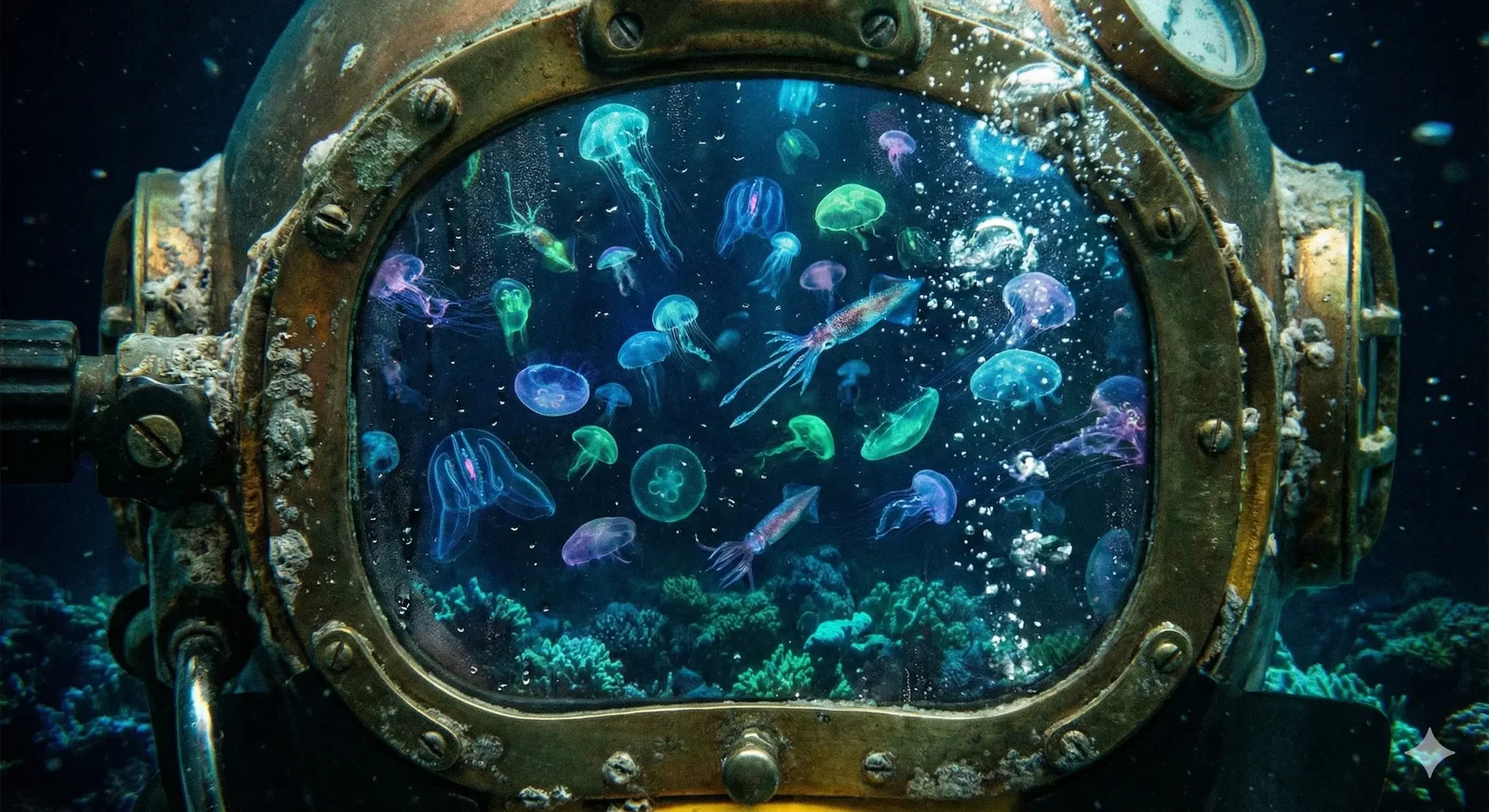
POV shot from inside a deep-sea diving helmet, looking out at bioluminescent creatures helmet frame visible at edges, bubbles rising.
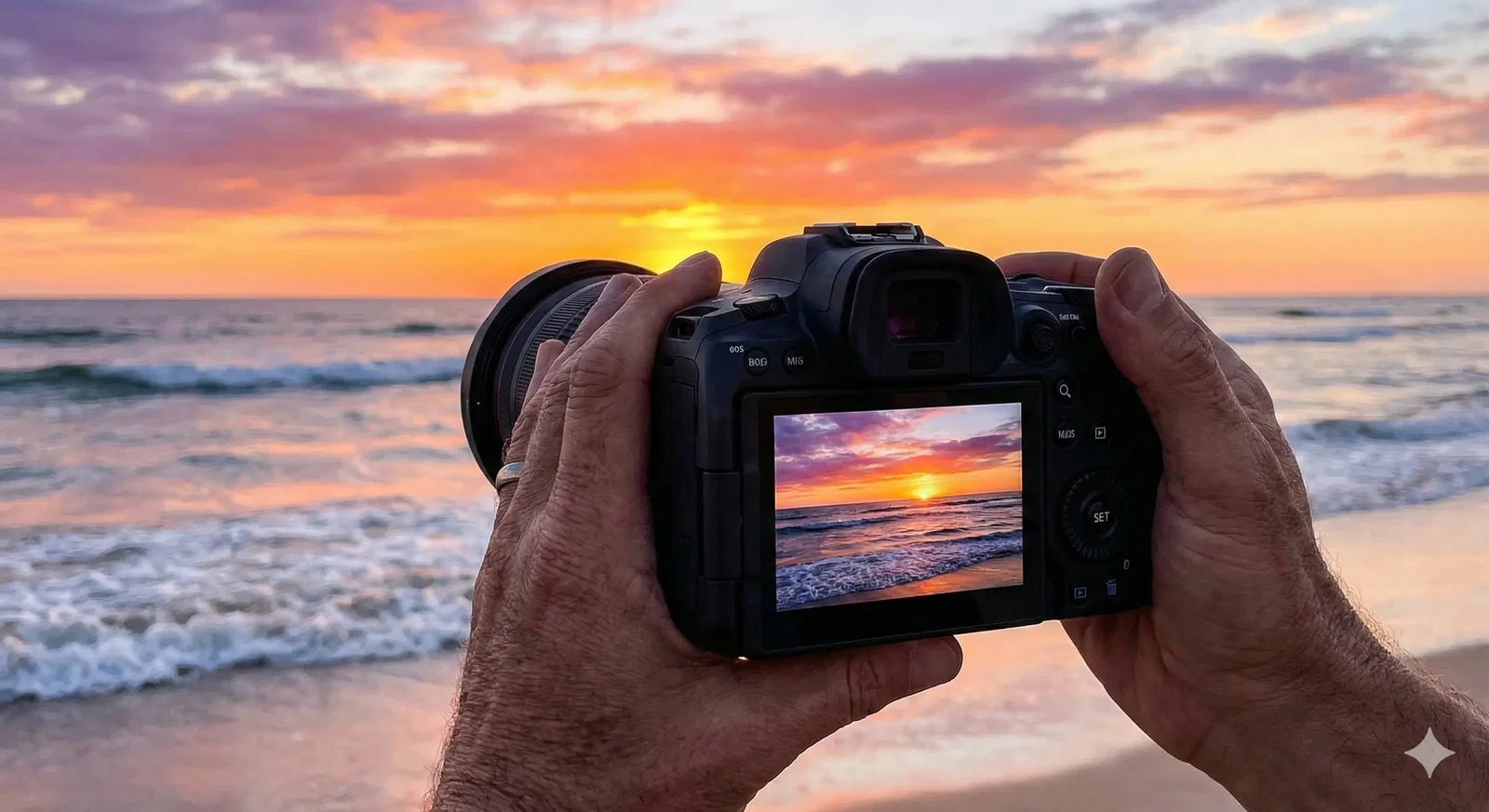
First-person POV of hands holding a camera, photographing a sunset over the ocean, camera screen showing the captured image.
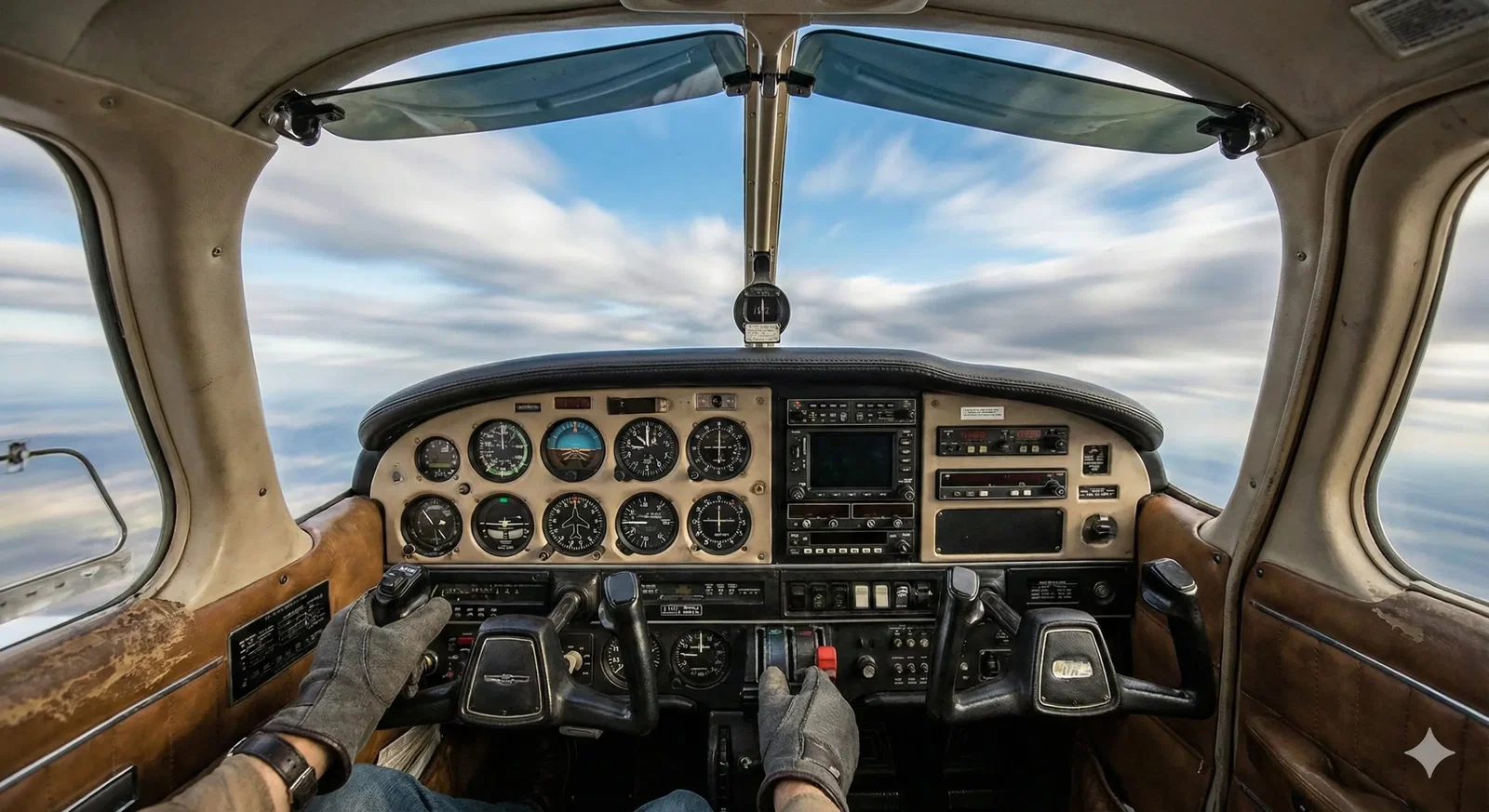
POV shot of a pilot in a cockpit, hands on controls, instrument panel visible, clouds rushing past the windshield.
Technical additions:
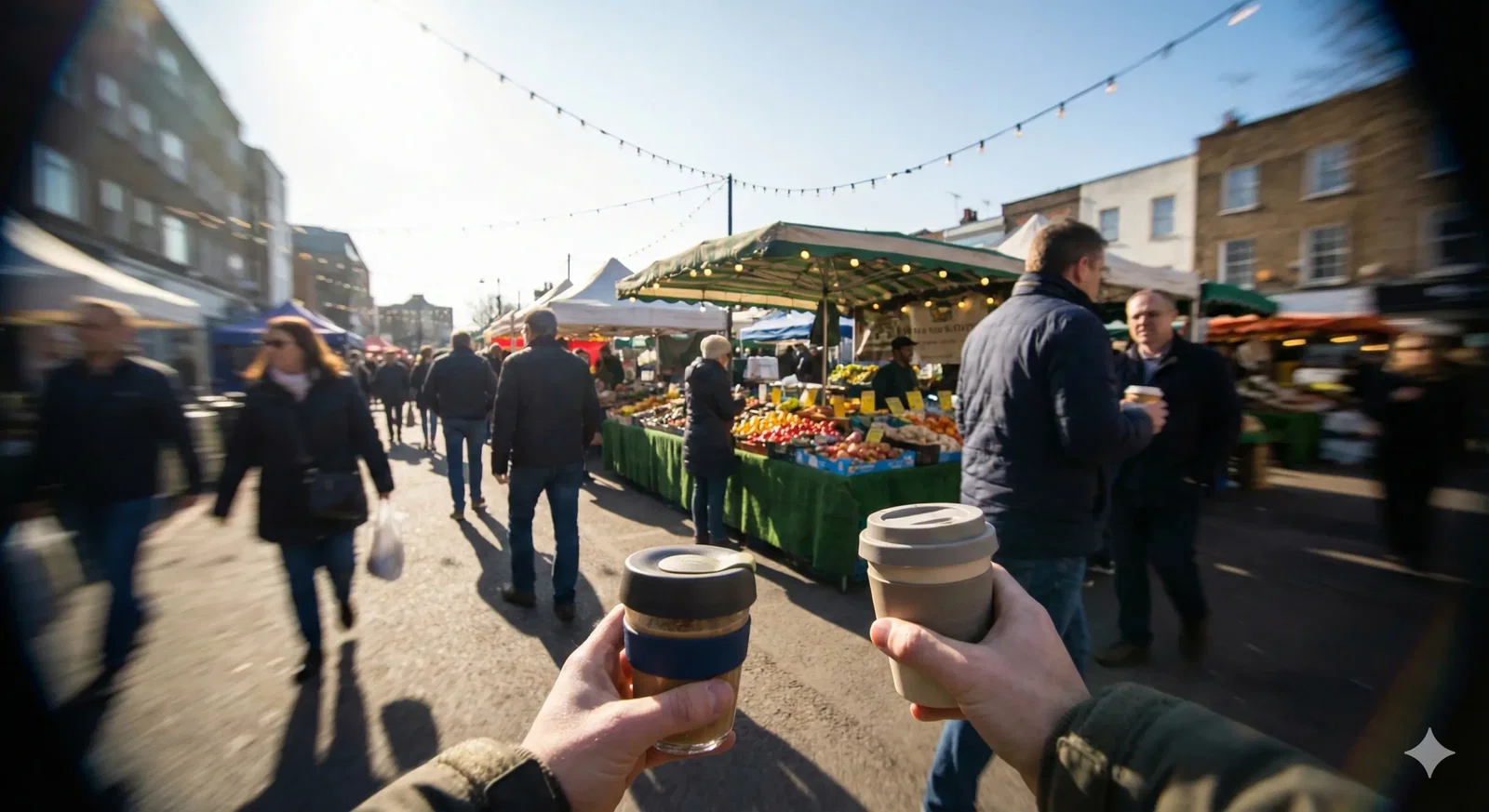
First-person POV perspective, ultra-wide 16mm lens matching human field of view, slight vignette at edges suggesting eye focus, motion blur on periphery.
Combining Angles with Distance 📏
Camera angle works best when paired with shot distance. Here's how they interact:
Extreme Close-Up + Low Angle
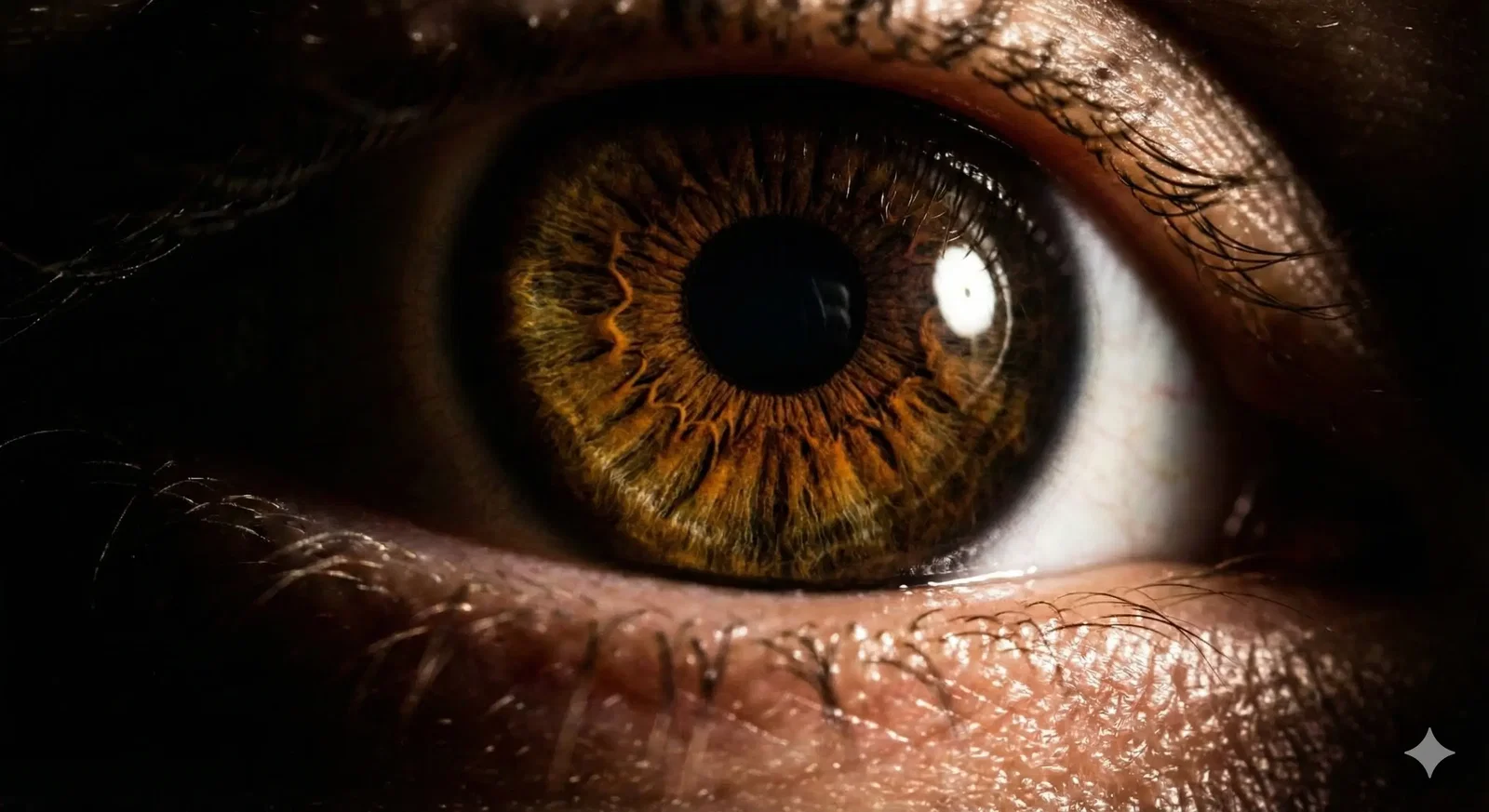
Extreme close-up of an eye from below, looking up into the iris, dramatic lighting emphasizing texture, feels invasive and powerful.
Wide Shot + High Angle
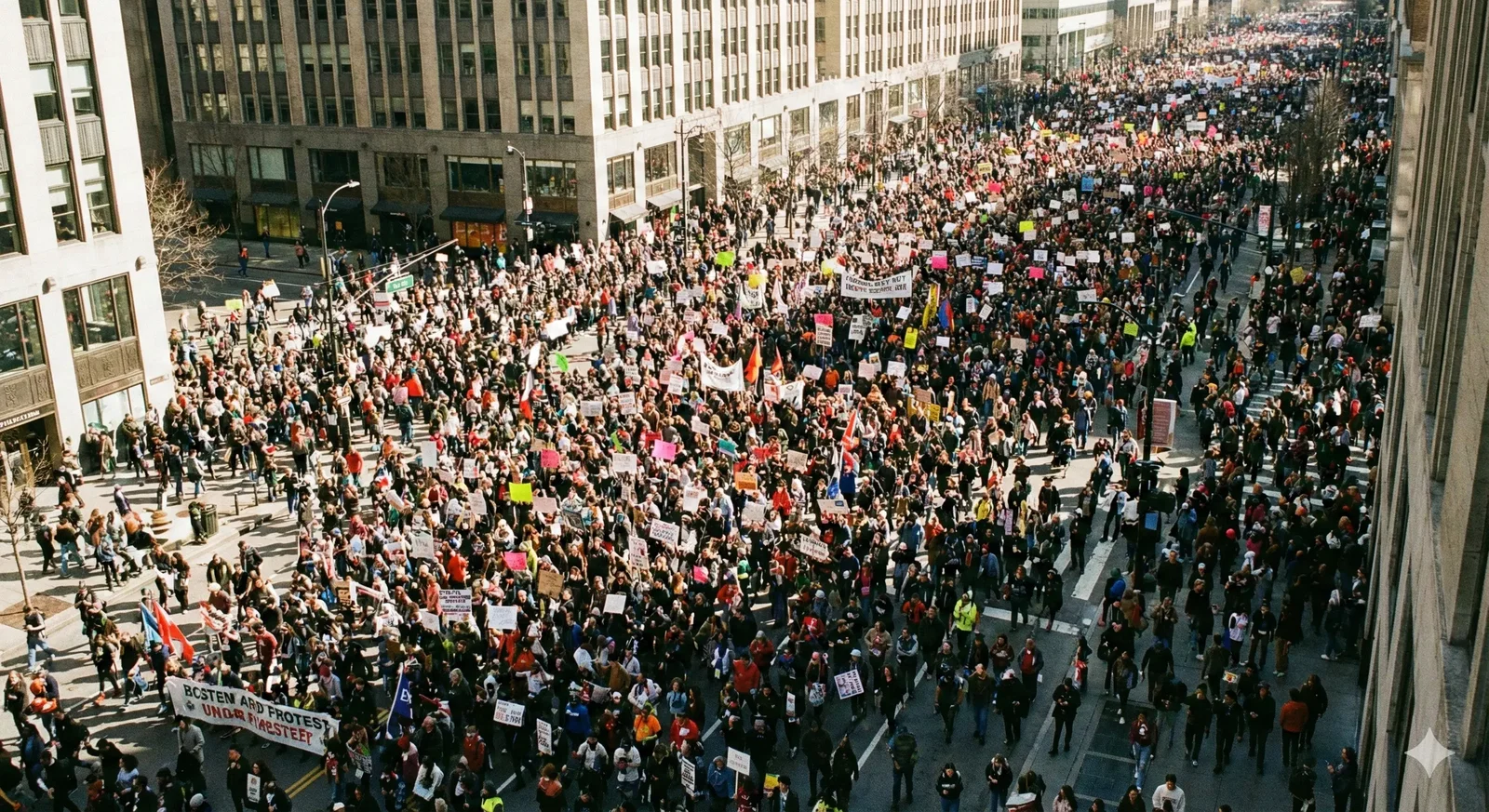
High-angle wide shot of a protest march, thousands of people filling the street, emphasizing the scale of the crowd, individual figures becoming pattern.
Medium Shot + Dutch Angle
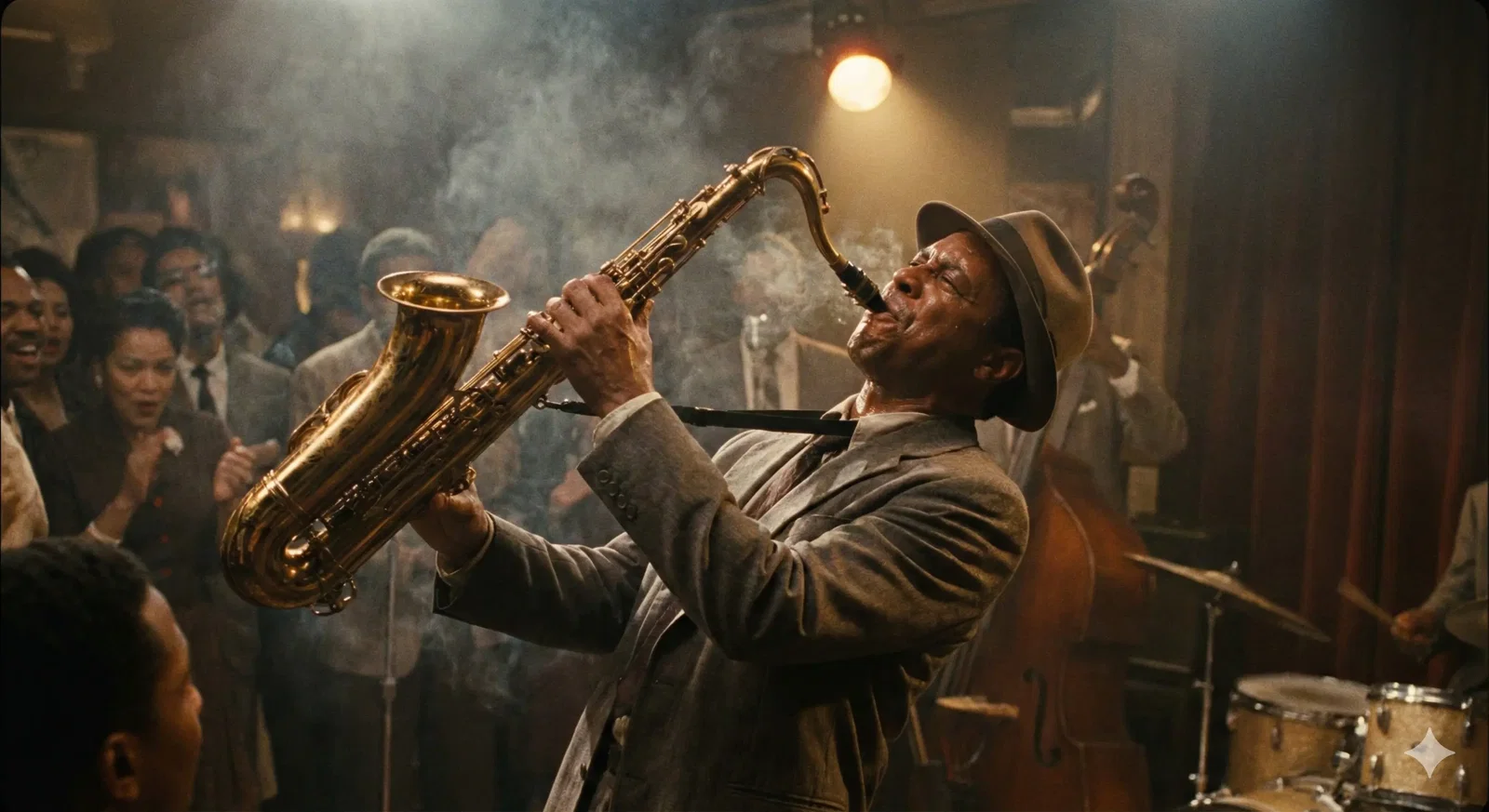
Medium shot with Dutch angle of a jazz musician, saxophone raised, 15-degree tilt, smoky club atmosphere, spotlit, dynamic and full of energy.
Close-Up + Straight-On
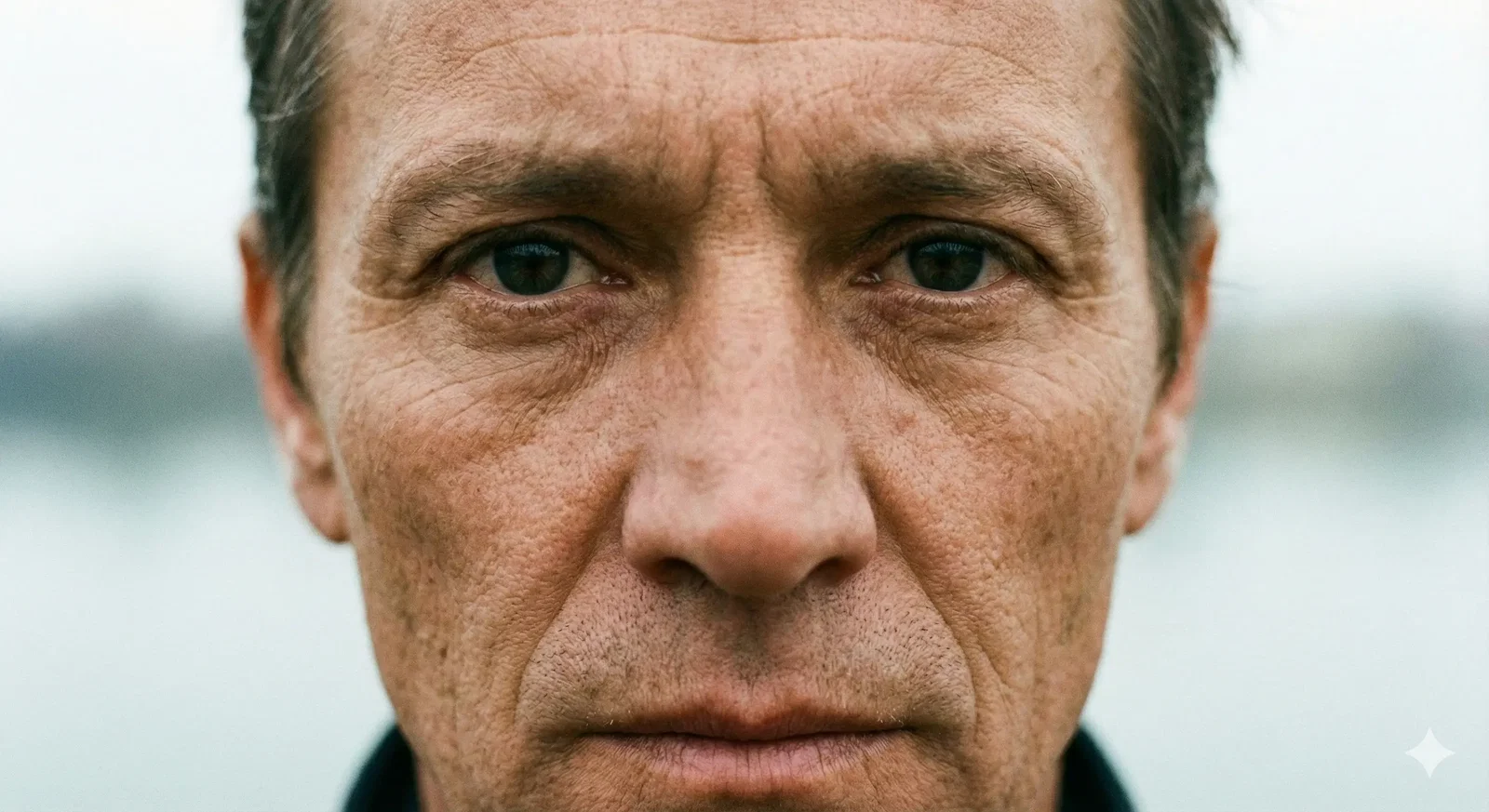
Straight-on close-up portrait, filling the frame with the face, direct eye contact, nowhere to hide, confrontational and intimate.
Angle + Lighting Combinations 💡
The same angle with different lighting creates entirely different moods:
Low Angle + Underlighting
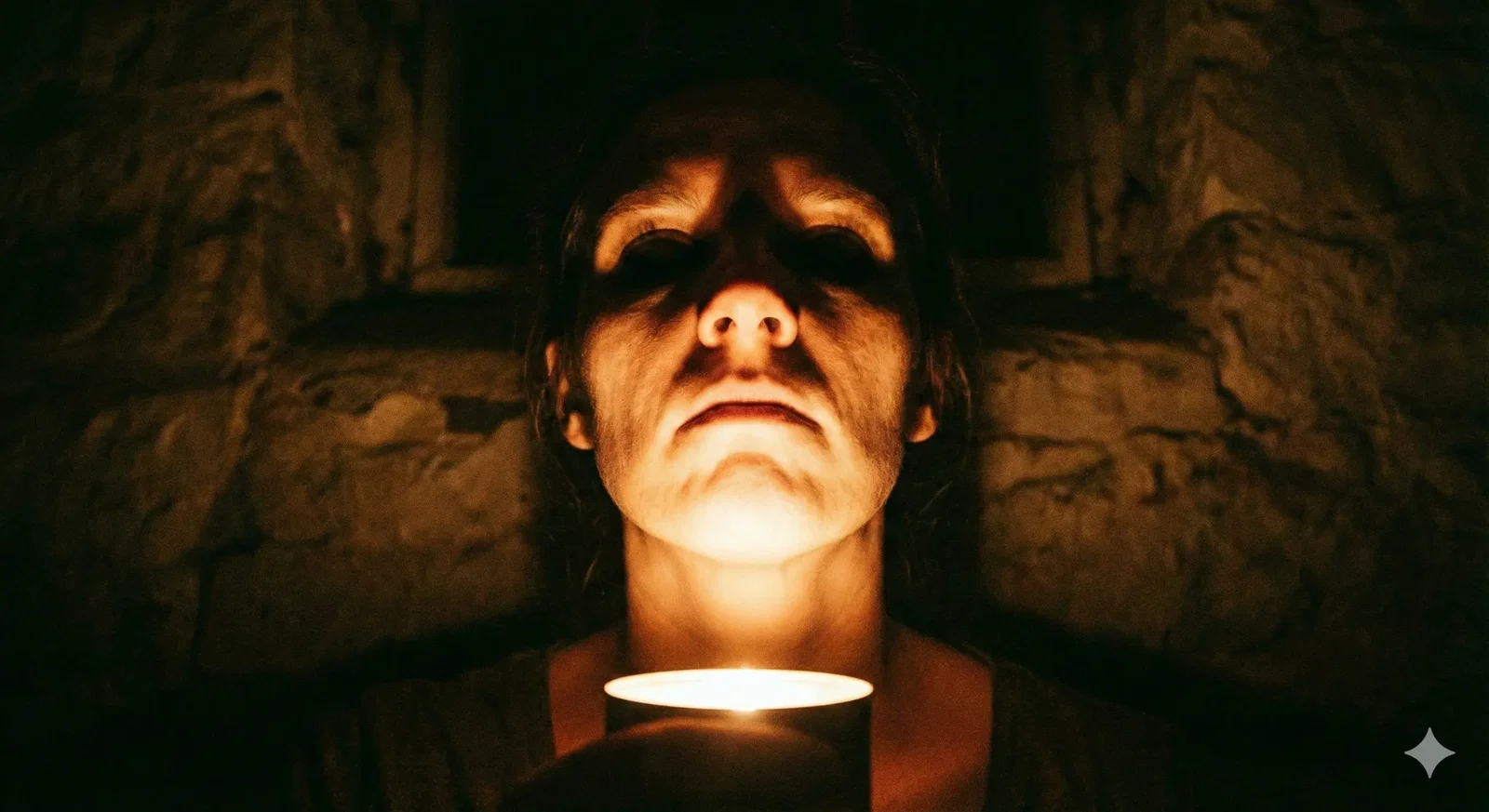
Low-angle shot with lighting from below, creating horror-movie shadows on face, eyes in darkness, chin and nose lit, menacing and unnatural.
Low Angle + Rim Lighting
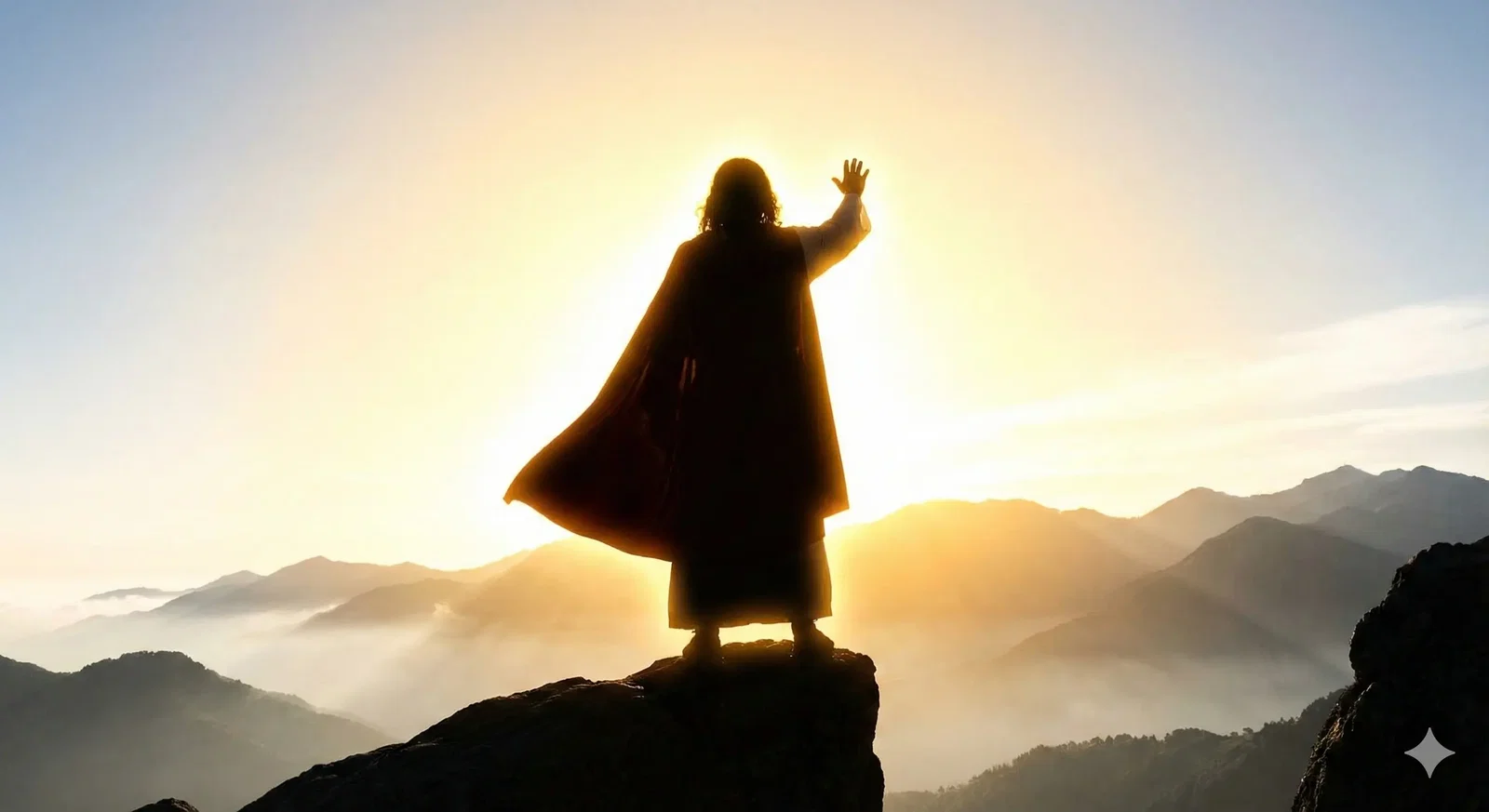
Low-angle shot with strong rim light from behind, subject silhouetted against bright background, heroic and almost divine feeling.
High Angle + Soft Top Light
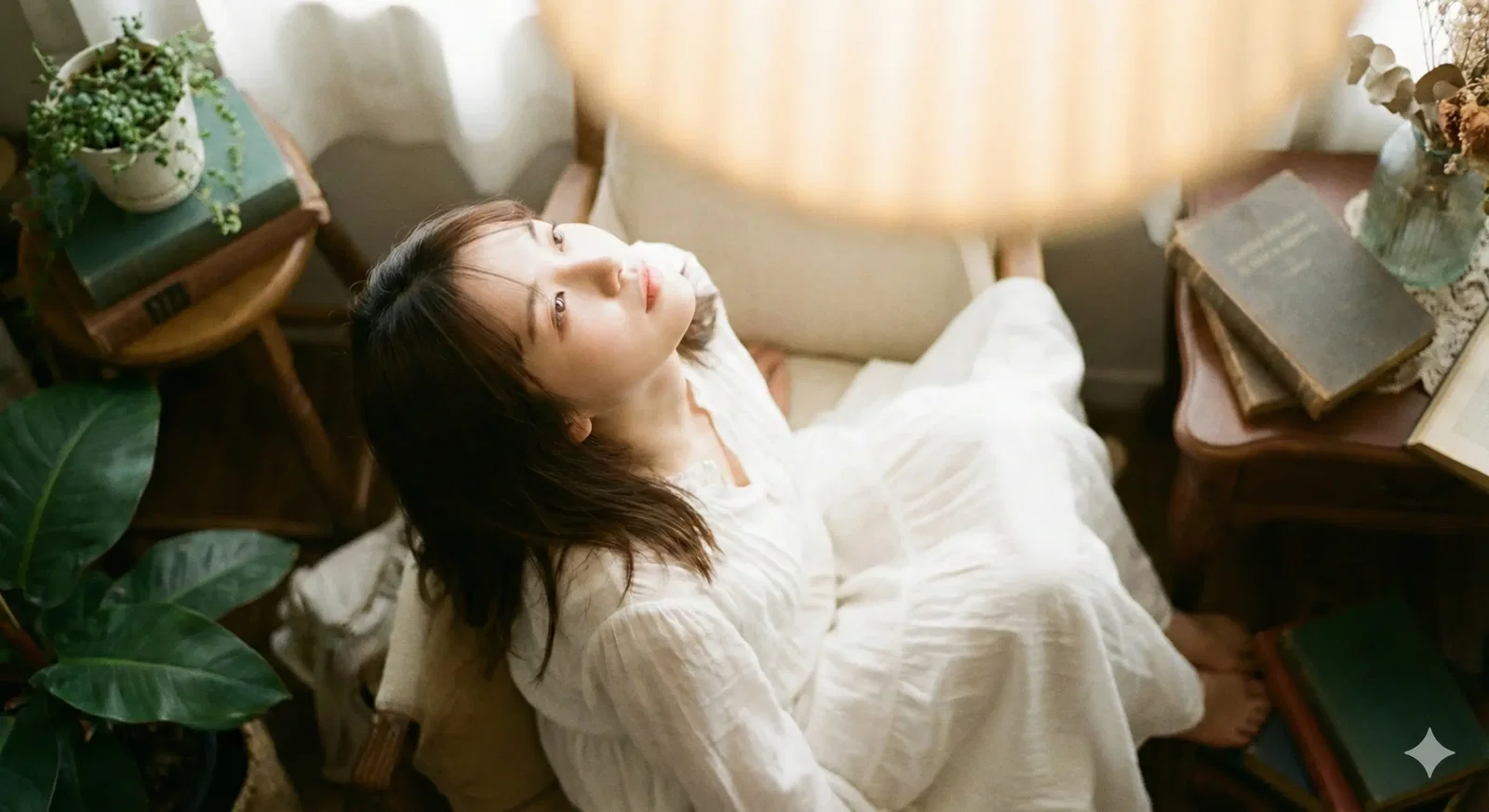
High-angle with soft overhead lighting, gentle shadows, angelic and peaceful, subject looking up toward the light.
Dutch Angle + Neon Side Lighting
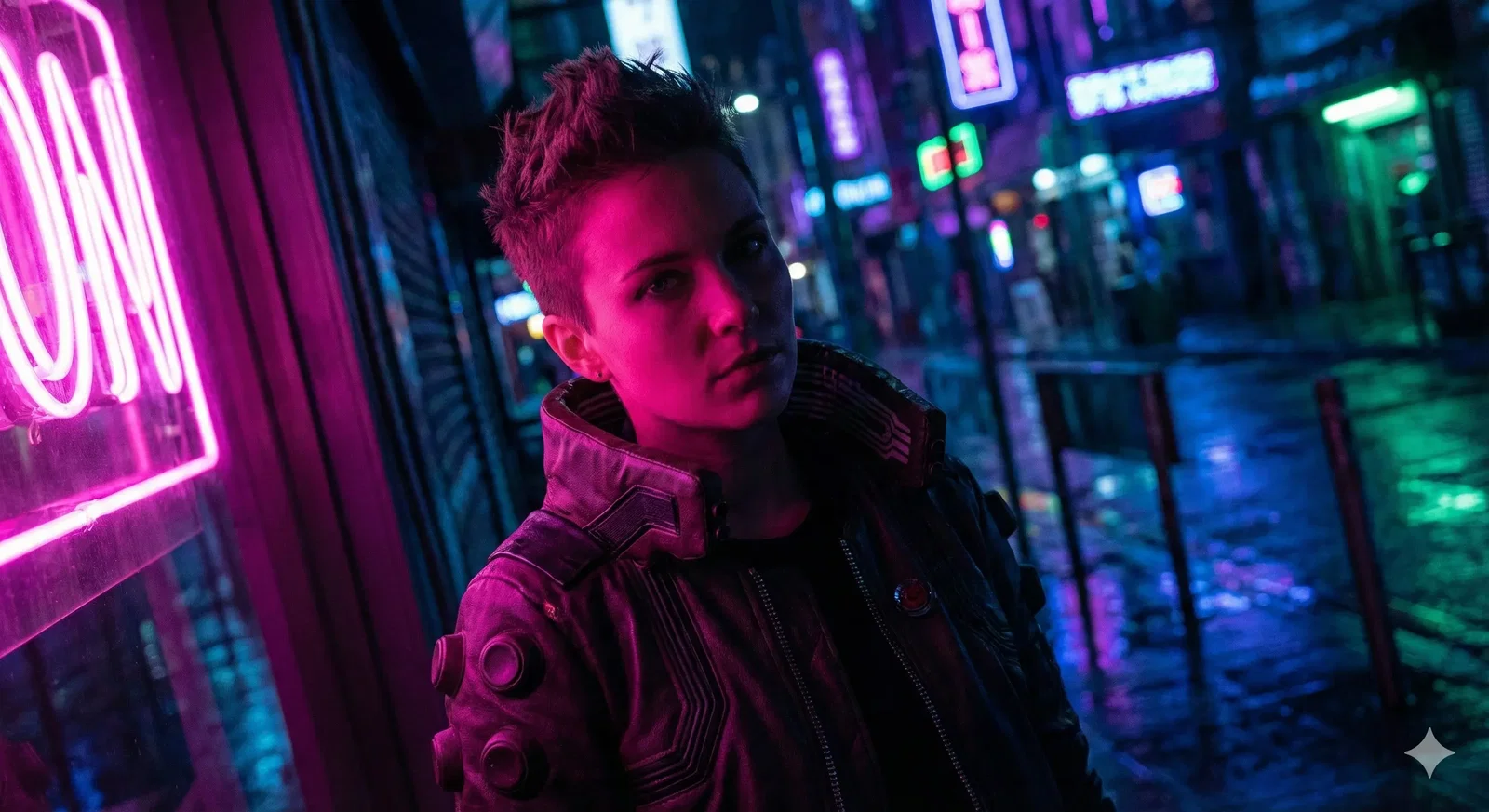
Dutch angle with neon pink side lighting, cyberpunk aesthetic, 20-degree tilt, face half in shadow, half in magenta glow.
Quick Reference: Angle → Emotion 📋
Angle | Primary Emotion | Secondary Uses |
Low-angle | Power, dominance | Heroism, intimidation, grandeur |
High-angle | Vulnerability, weakness | Isolation, surveillance, overview |
Bird's-eye | Omniscience, pattern | Flat lays, maps, scope |
Worm's-eye | Awe, wonder | Fear, child's perspective, monumentality |
Straight-on | Honesty, confrontation | Formality, directness, neutrality |
Side profile | Contemplation, artistry | Classical beauty, silhouettes, narrative |
Dutch angle | Tension, unease | Action, chaos, psychological disturbance |
Over-the-shoulder | Perspective, relationship | Conversation, observation, voyeurism |
POV | Immersion, intimacy | First-person experience, visceral connection |
Common Mistakes ⚠️
Mistake 1: Not Specifying Any Angle
Problem: "A portrait of a woman" gives Nano Banana Pro full discretion (you might get anything).
Fix: "A low-angle portrait of a woman, camera looking up, emphasizing her confidence."
Mistake 2: Conflicting Angle and Mood
Problem: "A vulnerable character shot from below" contradicts itself.
Fix: Match angle to intended emotion. Vulnerable = high angle. Powerful = low angle.
Mistake 3: Forgetting Distance
Problem: "Dutch angle shot" doesn't specify how much of the subject to show.
Fix: "Dutch angle medium shot" or "Dutch angle close-up" for clarity.
Mistake 4: Over-Specifying Degrees
Problem: "Camera at exactly 37.5 degrees from horizontal" (too precise, model may struggle).
Fix: Use descriptive ranges: "slight tilt," "dramatic low angle," "nearly overhead."
Prompt Templates by Angle 📝
Heroic/Powerful Subject
Low-angle shot of [SUBJECT],
camera positioned below eye level looking up,
[LIGHTING: rim light / dramatic / golden hour],
emphasizing power and dominance,
[LENS: wide 24mm for drama / 50mm for natural].
Vulnerable/Emotional Subject
High-angle shot of [SUBJECT],
camera looking down from above,
[LIGHTING: soft / diffused / window light],
conveying vulnerability and introspection,
[ENVIRONMENT: isolated / vast space around them].
Dynamic/Tense Scene
Dutch angle shot tilted [DEGREES] to the [DIRECTION],
[SHOT DISTANCE: wide / medium / close],
[LIGHTING: harsh / neon / contrast],
creating tension and unease,
[ACTION: movement / confrontation / chaos].
Flat Lay / Organizational
Bird's-eye view looking straight down at [SUBJECT],
perfectly overhead perspective,
[LIGHTING: even / soft / no harsh shadows],
[ARRANGEMENT: symmetrical / organized / scattered],
clean background in [COLOR].
Immersive Experience
POV shot from [WHOSE PERSPECTIVE],
showing [WHAT THEY SEE],
[VISIBLE ELEMENTS: hands / helmet / frame],
[LIGHTING: matching the environment],
ultra-wide lens matching natural field of view.
Practice Exercises 🏋️
Try generating the same subject with different angles to see the emotional shift:
Exercise 1: The Leader
- Low-angle: CEO at a podium, commanding
- High-angle: Same CEO, overwhelmed by paperwork
- Straight-on: Same CEO, neutral headshot
Exercise 2: The City
- Bird's-eye: Urban grid pattern, organized chaos
- Worm's-eye: Skyscrapers towering, overwhelming scale
- Dutch angle: Street level, something wrong
Exercise 3: The Object
- Bird's-eye: Product flat lay, clean and commercial
- Low-angle: Same product, premium and substantial
- Side profile: Same product, technical/schematic view
Final Thought 💭
Camera angle is free. It costs nothing extra in your prompt, adds zero complexity to generation, and completely transforms the emotional impact of your image. Yet most people never specify it.
Start adding angle language to every prompt. Within a few generations, you'll wonder how you ever let the AI decide for you.
The camera is in your hands. Point it with intention.